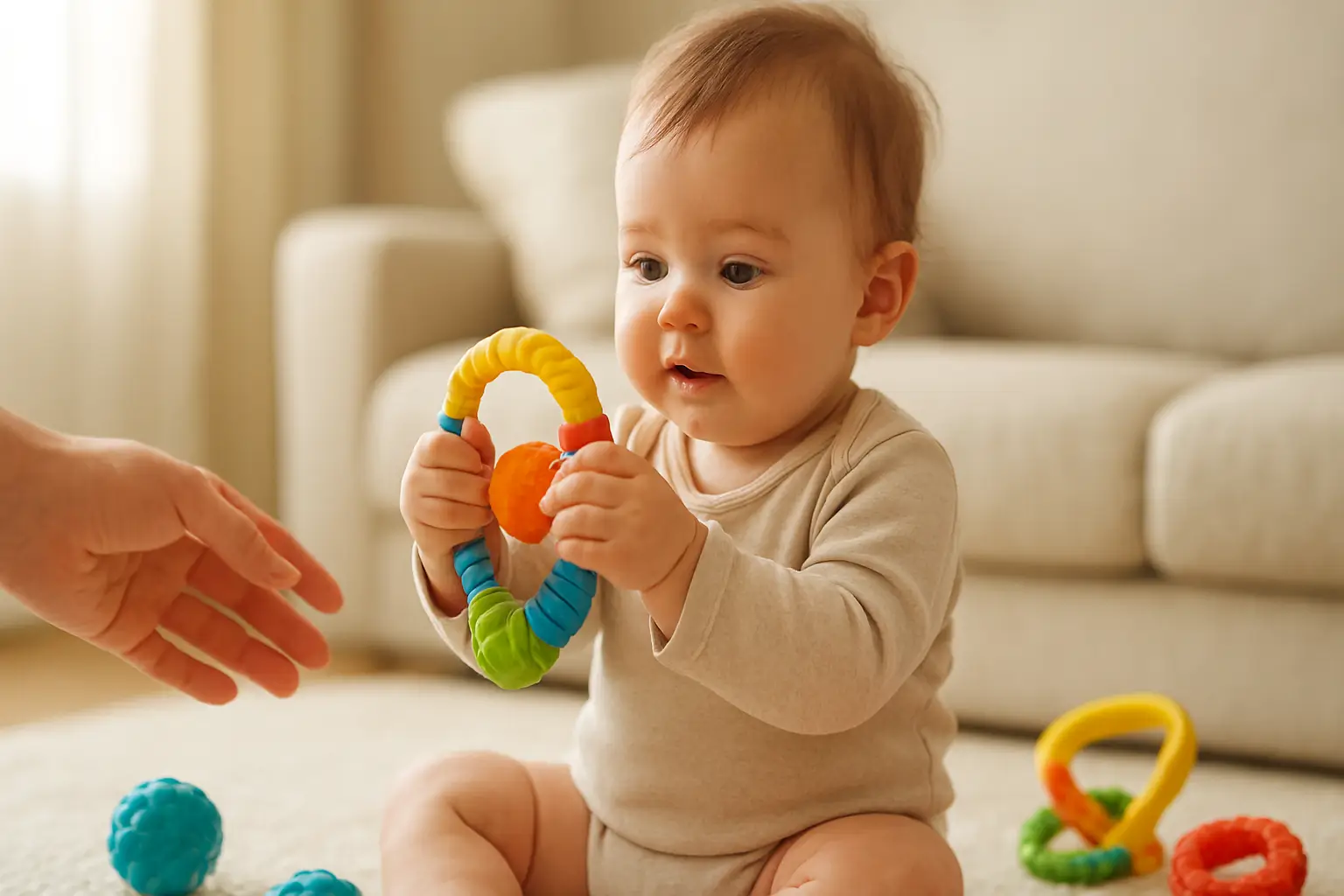
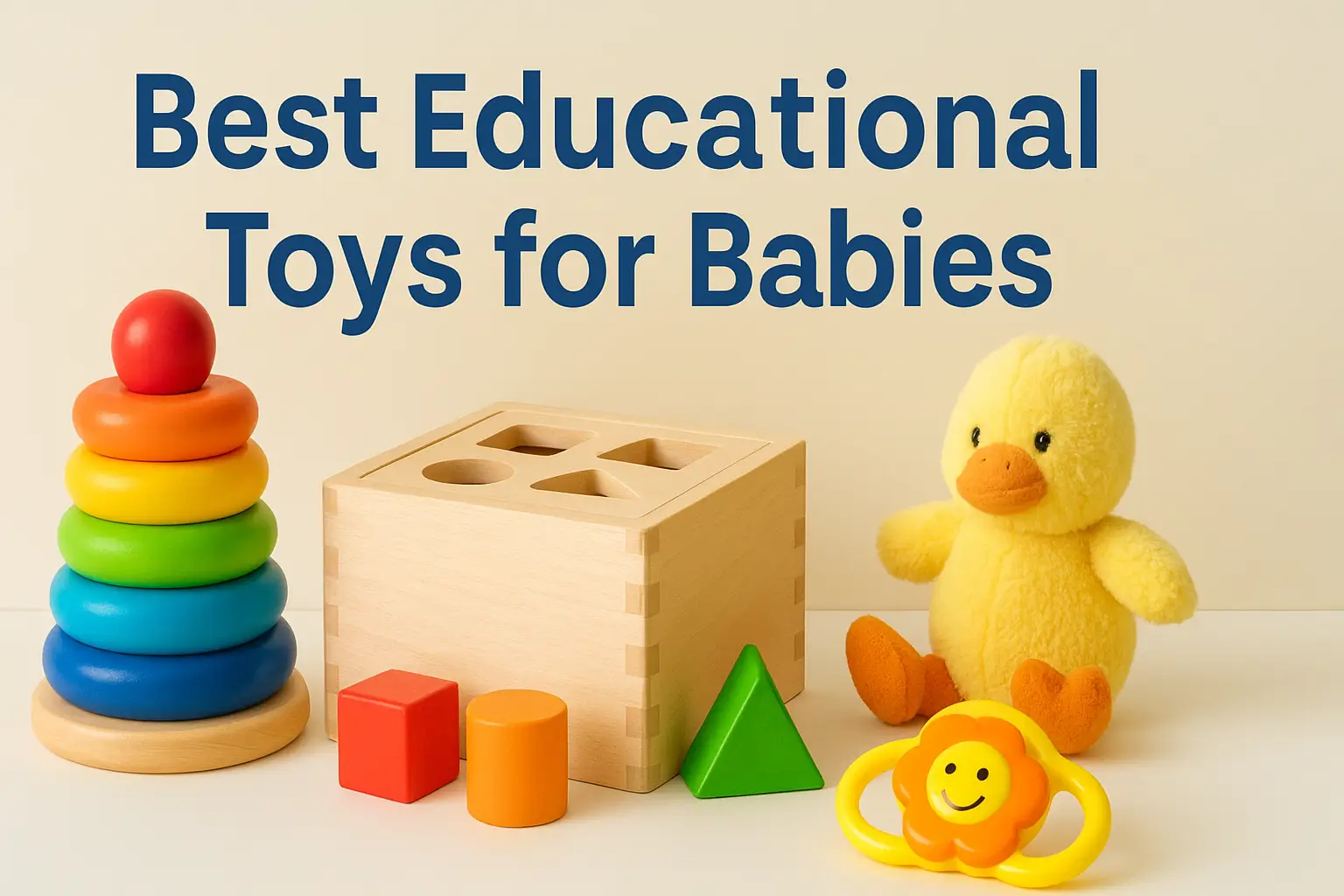
From the moment a baby is born, they begin learning about the world around them—through sight, sound, and touch. Every smile, every giggle, every reach for a toy is a sign of growth. That’s where educational toys play a vital role. These are not just colorful distractions; they are tools that help shape your baby’s cognitive, physical, and emotional development.
Think of them as building blocks for your child’s brain. The right toy can teach cause and effect, strengthen muscles, boost hand-eye coordination, and even encourage early communication skills.
Table of Contents
What Are Educational Toys?
Educational toys are specifically designed to promote learning through play. Unlike regular toys that might only entertain, educational toys engage your baby’s senses and stimulate curiosity.
They encourage exploration, problem-solving, creativity, and sensory development. For example:
- Rattles help babies learn cause and effect (shake → sound).
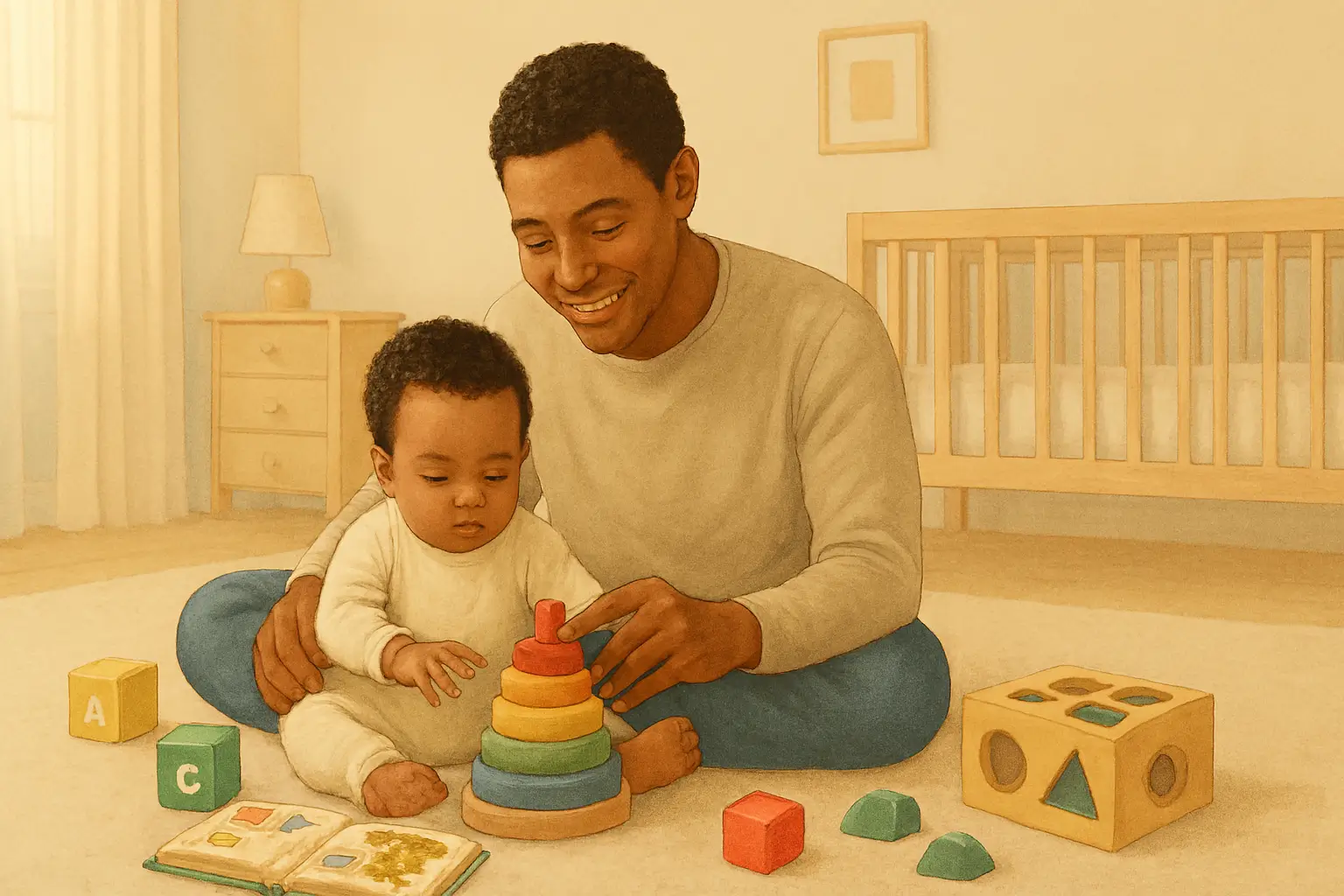
- Stacking rings teach size and color recognition.
- Interactive books build vocabulary and imagination.
The Importance of Early Learning Through Play
Research shows that the first three years of life are the most crucial for brain development. During this time, a baby’s brain forms over a million new neural connections per second. Play is how babies make sense of the world.
- Cognitive Growth: Through toys that require thinking, sorting, and stacking.
- Physical Development: By grasping, crawling, pushing, or pulling.
- Social & Emotional Learning: By playing with parents or other children.
Play is not just fun—it’s how babies learn to be human.
How to Choose the Right Educational Toy
When selecting toys for your baby, keep these key factors in mind:
1. Age Appropriateness
Choose toys that match your baby’s developmental stage. For example, newborns benefit from high-contrast visuals, while toddlers need toys that challenge their coordination and creativity.
2. Safety First
Always check for choking hazards, sharp edges, or toxic paint. Look for certifications such as ASTM, EN71, or CPSC-approved labels.
3. Multi-Sensory Engagement
Toys that combine sight, sound, and touch—like textured rattles or musical mobiles—provide the richest learning experiences.
Educational Toys for Newborns (0–6 Months)
Newborns are just beginning to explore their senses. They respond strongly to bright colors, contrasting patterns, and gentle sounds.
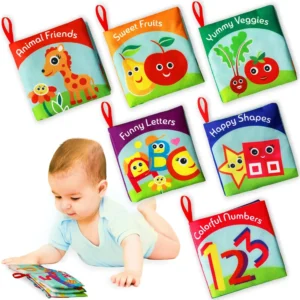
Soft Cloth Books
Great for visual tracking and tactile exploration.
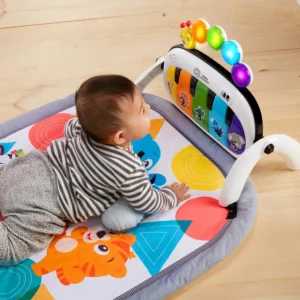
Activity Mats
Help strengthen neck and shoulder muscles during tummy time.
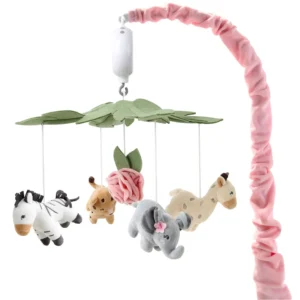
Crib Mobiles
Encourage eye movement and visual focus.
Rattles and Wrist Shakers
Stimulate hearing and hand movement.
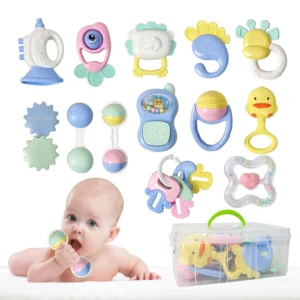
These toys for newborns also strengthen emotional bonds as parents interact with babies during play.
Top Educational Toys for Infants (6–12 Months)
At this stage, babies are ready to sit, crawl, and explore more actively.
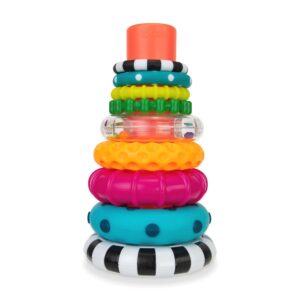
Stacking Rings
Develop fine motor skills and teach sequencing.
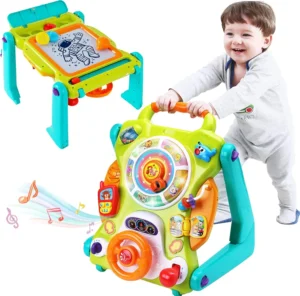
Sit to Stand Toys
Build leg strength and balance.
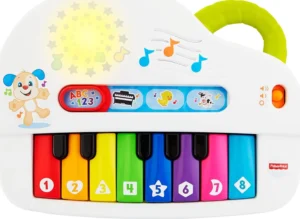
Musical Instruments
Introduce rhythm and coordination.
Shape Sorters
Teach problem-solving and spatial awareness.
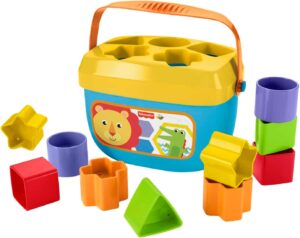
These toys for infants turn learning into a joyful, hands-on experience.
Educational Toys for Toddlers (12–24 Months)
Now your little one is walking, talking, and exploring everything!
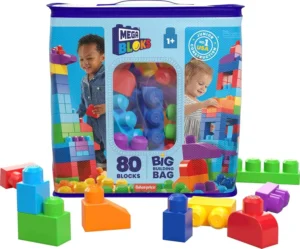
Building Blocks
Encourage creativity and hand-eye coordination.
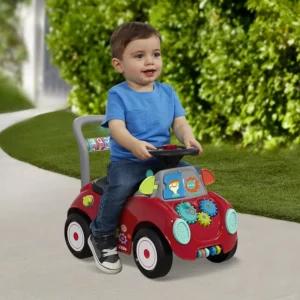
Ride-On Toys
Help with muscle development and balance.
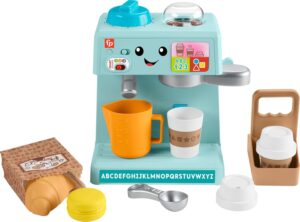
Pretend Play Sets (kitchen, doctor kit)
Build imagination and social understanding.
Interactive Books
Improve language comprehension and storytelling skills.
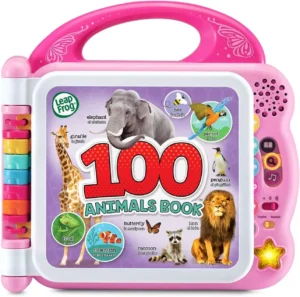
This is also a great age to introduce simple puzzles and counting toys. These toys for toddlers enhance logical, and reasoning skills.
STEM Toys for Early Learners
You don’t need to wait for preschool to introduce STEM (Science, Technology, Engineering, Math) concepts.
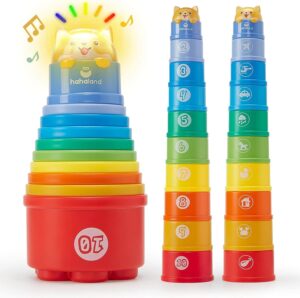
Stacking Cups
Teach cause and effect, size, and volume.
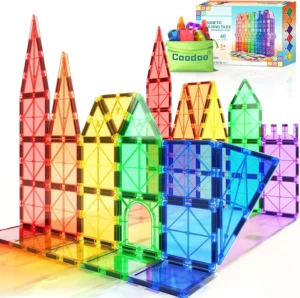
Magnetic Blocks
Encourage creativity and spatial reasoning.
Coding Caterpillars
Simple, baby-safe toys that promote sequencing and logic.
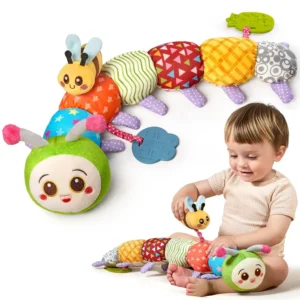
These STEM toys plant early seeds for analytical and critical thinking skills.
Montessori Toys for Babies
The Montessori philosophy values simplicity, independence, and real-world learning.
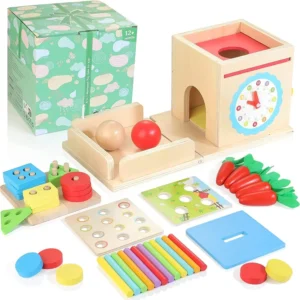
Object Permanence Boxes
Teach babies that objects still exist even when out of sight.
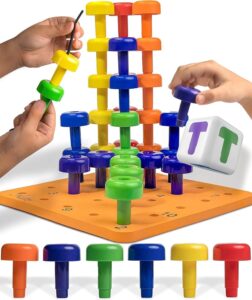
Peg Boards
Refine focus, precision, and motor coordination.
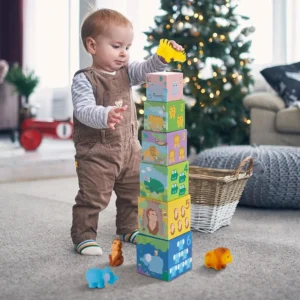
Nesting Toys
Help babies understand order and balance.
Montessori toys are often made of natural wood, encouraging babies to focus on texture and movement rather than flashy colors or sounds.
Musical and Sensory Toys
Music and sensory play are powerful tools for brain development.
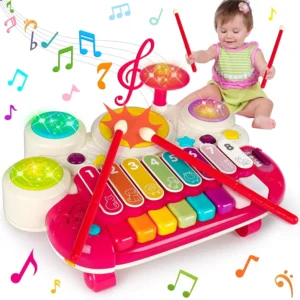
Baby Pianos and Drums
Improve rhythm and hand coordination.
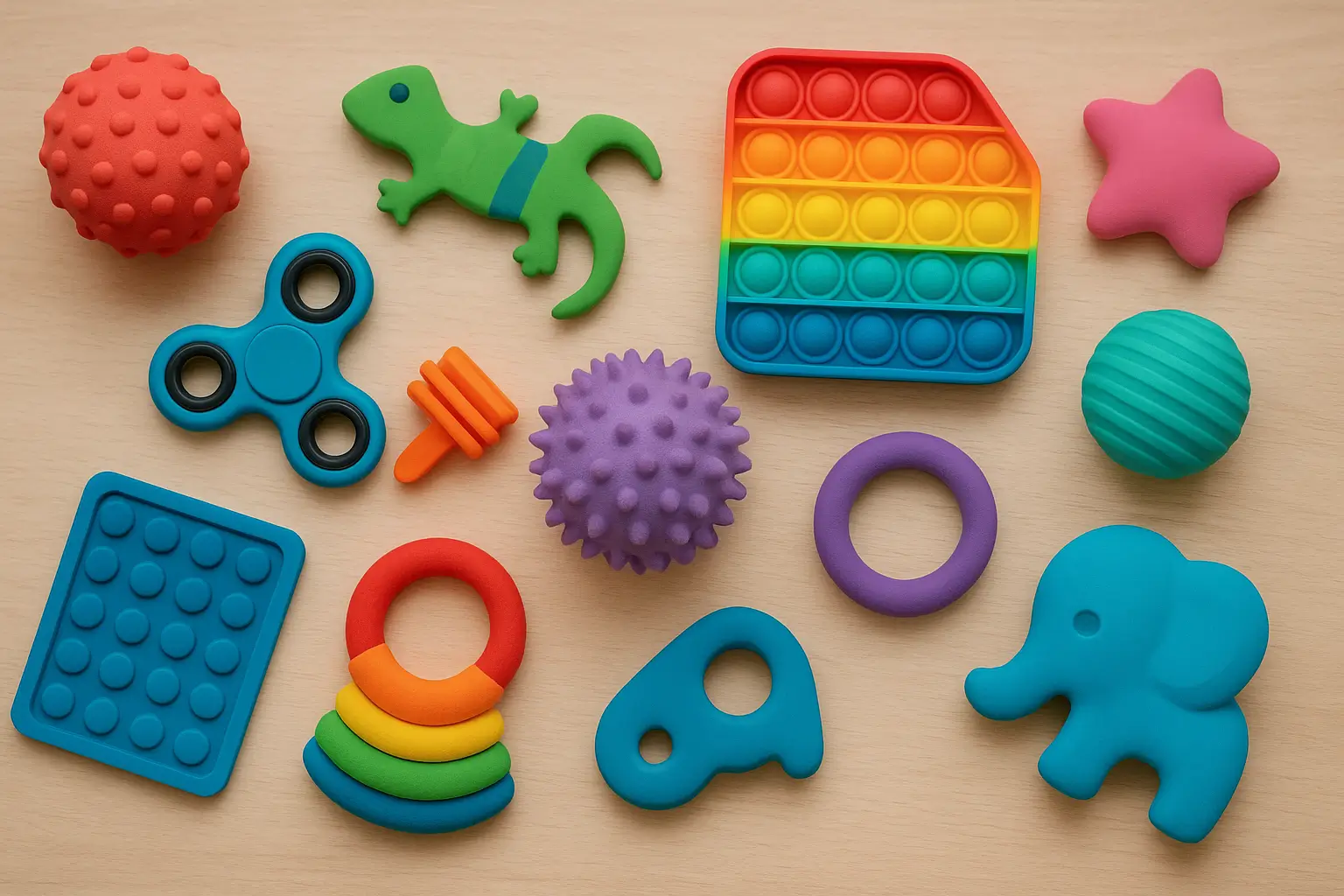
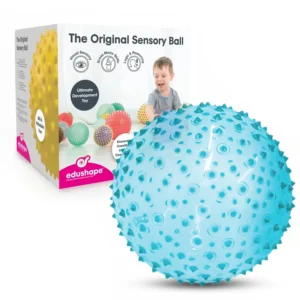
Sensory Balls
Different textures stimulate tactile learning.
Sound Blocks
Help babies recognize patterns and develop auditory memory.
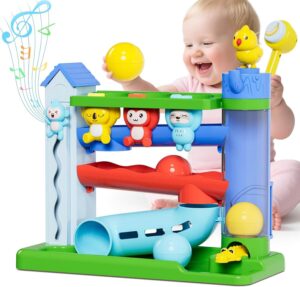
These sensory toys create joyful experiences that enhance emotional expression and creativity.
Language Development Toys
Language starts long before a baby says their first word.
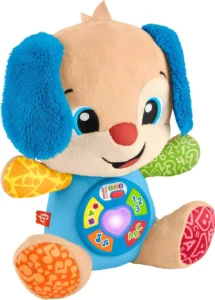
Talking Plush Toys
Introduce new words and expressions.
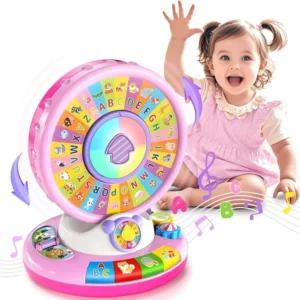
Storytime Toys with Recorded Narrations
Encourage listening and comprehension.
Alphabet Blocks
Visual and tactile tools for early literacy.
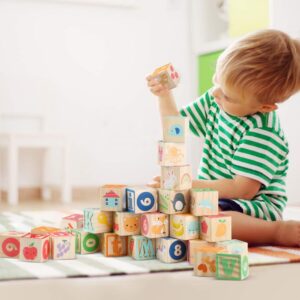
Parents can make playtime interactive by naming colors, counting aloud, and asking questions—boosting vocabulary naturally.
Eco-Friendly and Sustainable Toys
Parents today are more eco-conscious than ever, and baby toys are no exception.
Organic Stuffed Animals
Soft, safe, and biodegradable.

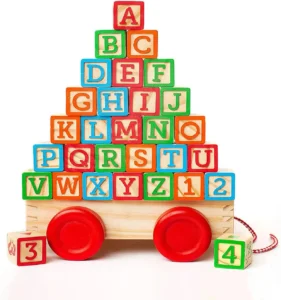
Bamboo Building Blocks
Durable and free from harmful chemicals.
Recycled Plastic Toys
Sustainable yet safe for daily play.
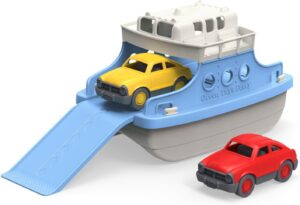
Eco-friendly toys are not only healthier for babies but also better for the planet they’ll grow up in.
DIY Educational Toy Ideas
You can create amazing educational toys at home without spending much!
- Homemade Shakers – Use sealed bottles filled with rice or lentils.
- Texture Boxes – Add fabrics, ribbons, or soft brushes for sensory discovery.
- Color Sorting Games – Use old containers and colored paper to teach color recognition.
These DIY activities encourage creativity—for both parents and babies!
Tips for Parents on Using Educational Toys
- Follow your baby’s lead. Observe what excites or frustrates them.
- Rotate toys regularly. Too many choices can overwhelm babies.
- Limit screens. Real play beats digital distractions every time.
- Make it interactive. Join in the fun—babies learn best when you’re engaged too!
Conclusion
Educational toys are far more than entertainment—they are building blocks of a baby’s physical, cognitive, and emotional growth. From sensory rattles to Montessori blocks, each toy plays a role in shaping your child’s understanding of the world.
By choosing safe, age-appropriate, and stimulating toys, you’re nurturing curiosity, confidence, and creativity—skills that will last a lifetime.
FAQs
1. What’s the best time to introduce educational toys?
You can start right after birth! Simple sensory toys are perfect for newborns.
2. Do expensive toys mean better learning?
Not necessarily. Engagement matters more than price. Even household items can be educational.
3. How can I ensure toy safety?
Always buy age-appropriate toys and check for choking hazards or toxic materials.
4. Can I use electronic toys?
Yes, but in moderation. Look for toys that encourage interaction instead of passive watching.
5. How often should I change my baby’s toys?
Rotate every 2–3 weeks to keep playtime fresh and stimulating.
Disclaimer
This article contains affiliate links. We may earn a commission if you make a purchase through these links, at no additional cost to you. All recommendations are based on independent research and genuine opinions.
Read More
- Wooden Toys vs Plastic Toys: Which Is Better? A Parent’s Guide to Safety, Development & SustainabilityChoosing the right toys for your child isn’t just about fun—it’s about safety, development, sustainability, and long-term value. In today’s world of overflowing toy aisles and endless choices, one debate continues to stand out: wooden toys vs. plastic toys. Which is truly better for your child? This in-depth guide breaks down the differences, debunks common myths, and reveals what parents should really consider before buying the next toy. Whether you care most about safety, durability, learning benefits, or eco-friendliness, this article will help you make a confident, informed decision for your little one.
- Wooden Toys for Babies Under 1 Year — Safe, Sustainable & DevelopmentalWooden toys are timeless, eco-friendly, and safe for babies under 1. Explore the best wooden rattles, teethers, and stacking toys with safety and age-by-age buying tips.
- When Can Babies Start Playing with Toys? (Complete Age-by-Age Guide for Parents)Discover when babies can start playing with toys, from newborns to toddlers. Learn safe toy choices, developmental milestones, and expert parent tips for every age.
- What Toys Are Good for a 6-Month-Old Baby?Safe, sensory-rich, and development-boosting toy ideas for 6-month-old babies — from teething toys to stacking rings.
- Top Popular Toys You Should Consider for Your Kids (2026 Edition)Explore the most popular, safe, and educational baby toys every parent should consider to spark creativity, learning, and joy.