Table of Contents
👶 Why Learning Toys Matter from 0–36 Months
From birth to age three, your baby’s brain develops faster than at any other time. The right toys don’t just entertain — they build pathways for thinking, problem-solving, and emotional connection. Learning toys help babies explore movement, textures, and sound while strengthening language, motor, and social skills.
Choosing age-appropriate toys aligned with developmental milestones ensures safe, engaging play that nurtures every stage of growth.
🍼 Baby Learning Toys by Age (0–36 Months)
👶 0–6 Months – Sensory & Reflex Foundations
What’s developing: vision, sound recognition, hand-eye coordination, head-control.
Best toy types:
- High-contrast black & white cards
- Soft rattles and grasp toys
- Activity gyms for tummy time
- Soft mirrors for visual attention
- Crinkle & textured cloth books
Learning benefits: Sensory stimulation, cause-and-effect, visual tracking, early motor control.
Play tip: Narrate everything you do (“Shake, shake the red rattle!”).
Safety: No loose parts or strings longer than 6 inches. Always supervise tummy-time play.
🤲 6–12 Months – Cause & Effect & Fine Motor Play
What’s developing: Sitting up, crawling, transferring objects between hands, babbling.
Best toy types:
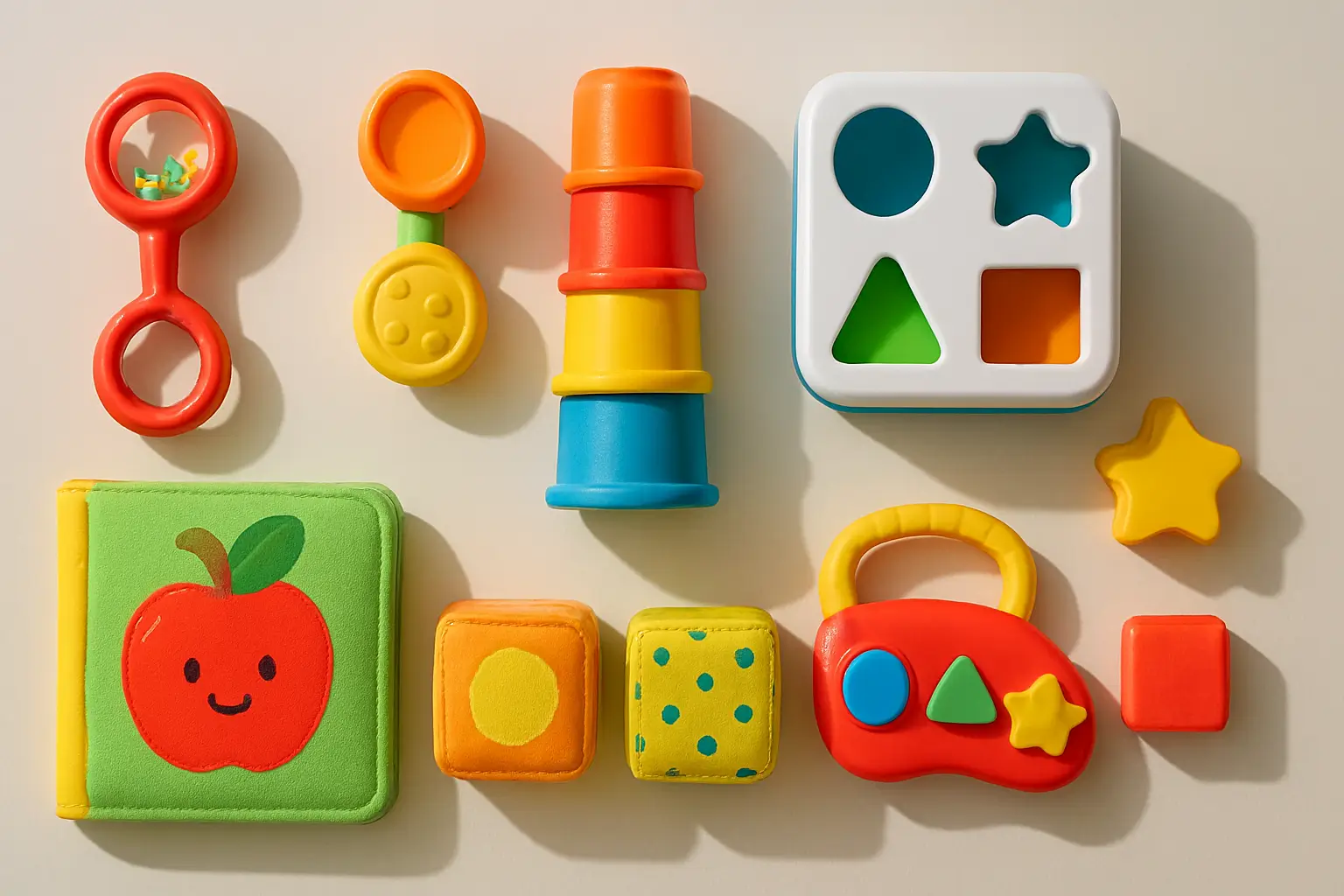
- Stacking cups and nesting toys
- Shape sorters with large openings
- Pop-up toys with buttons and levers
- Soft blocks and board books
- Rolling toys (balls, vehicles)
Learning benefits: Hand-eye coordination, problem-solving, spatial awareness.
Play tip: Let your baby press, pull, and drop — repetition is how they learn.
🚼 12–24 Months – Language, Pretend Play & Problem Solving
What’s developing: Walking, pointing, first words, pretend play, fine-motor precision.
Best toy types:
- Push and pull toys
- Simple peg puzzles
- Musical instruments (drums, shakers)
- Pretend-play sets (kitchen, doctor kits)
- Building blocks
Learning benefits: Imagination, coordination, and vocabulary building.
Play tip: Ask open-ended questions — “What’s cooking in your pot?” — to spark language.
🧩 24–36 Months – Independent Play & Imagination
What’s developing: Speech in sentences, color recognition, memory, early rules and cooperation.
Best toy types:
- Color sorting and stacking toys
- 6- to 12-piece puzzles
- Pretend-play costumes and props
- Art supplies (washable crayons, paper)
- First board games with simple turns
Learning benefits: Patience, problem-solving, creativity, social cooperation.
Play tip: Encourage small challenges — “Can you build a taller tower?”
🌈 Universal Learning Toy Categories (All Ages)
- Sensory toys: Textures, lights, sounds — stimulate brain connections.
- Cause-and-effect toys: Buttons, levers, pop-ups teach action and result.
- Books: Reading aloud expands vocabulary and emotional connection.
- Open-ended toys: Blocks, cups, scarves inspire imagination.
🧠 How Parents Can Play Smarter
- Follow baby’s lead – let curiosity guide the play.
- Narrate actions – language grows through repetition.
- Rotate toys every 2–3 weeks – keeps engagement high.
- Choose open-ended designs – longer use, deeper learning.
- Avoid overstimulation – fewer, quality toys beat quantity.
✅ Toy-Buying Checklist
- Choose toys labeled for your child’s current developmental stage
- Check for choking hazards (no small parts for under-3s)
- Opt for BPA-free, non-toxic materials
- Pick toys that grow with your baby
- Always supervise playtime
🛒 Top 10 Baby Learning Toys (0–36 Months) – Buyer’s Guide
These parent-favorite learning toys combine safety, fun, and real developmental benefits.
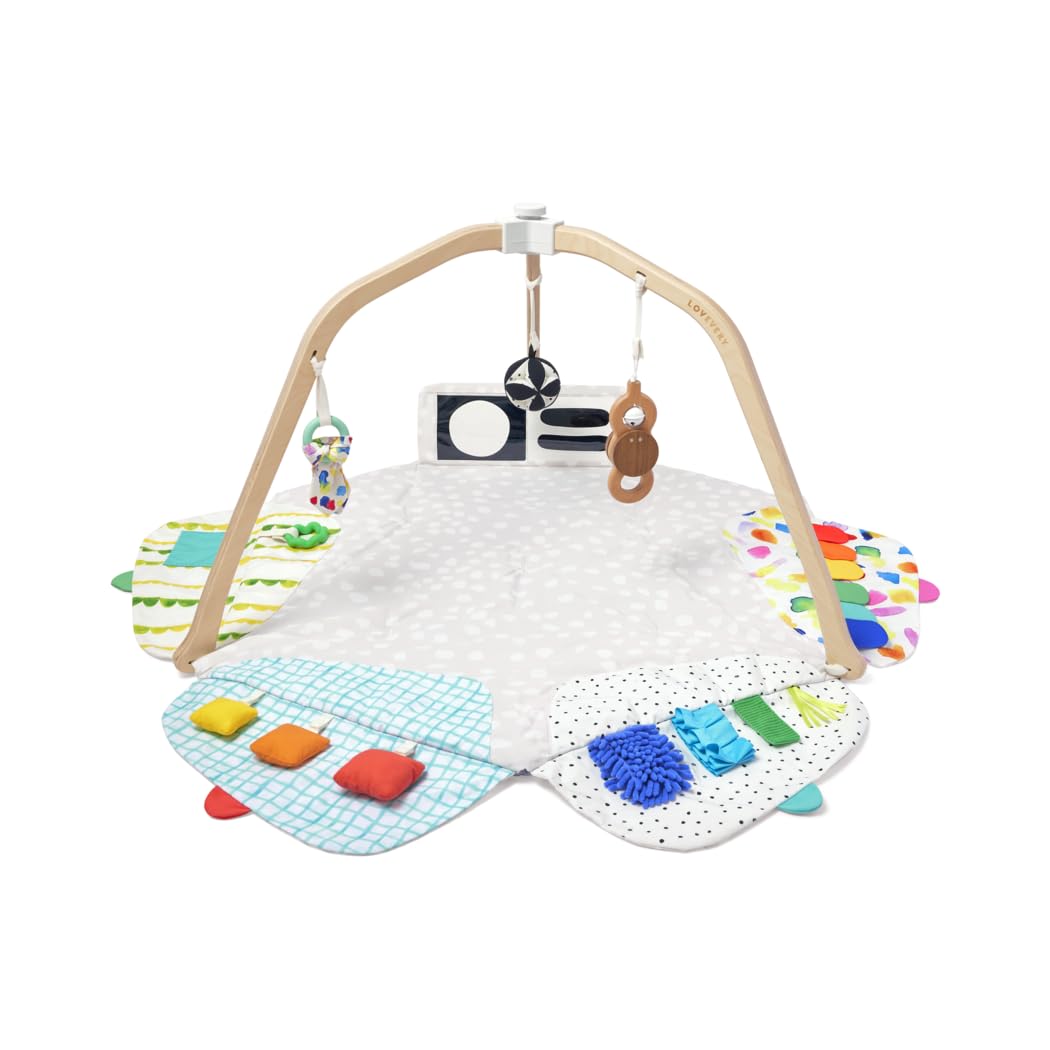
1. Lovevery Play Gym – Complete Developmental Activity Center (0–12 Months)
A Montessori-inspired play gym that grows with your baby through five sensory zones.
Learning benefits: Tummy time, focus, and early exploration.
Perfect for: Newborn–12 months
🔗 Check price on Amazon ➜
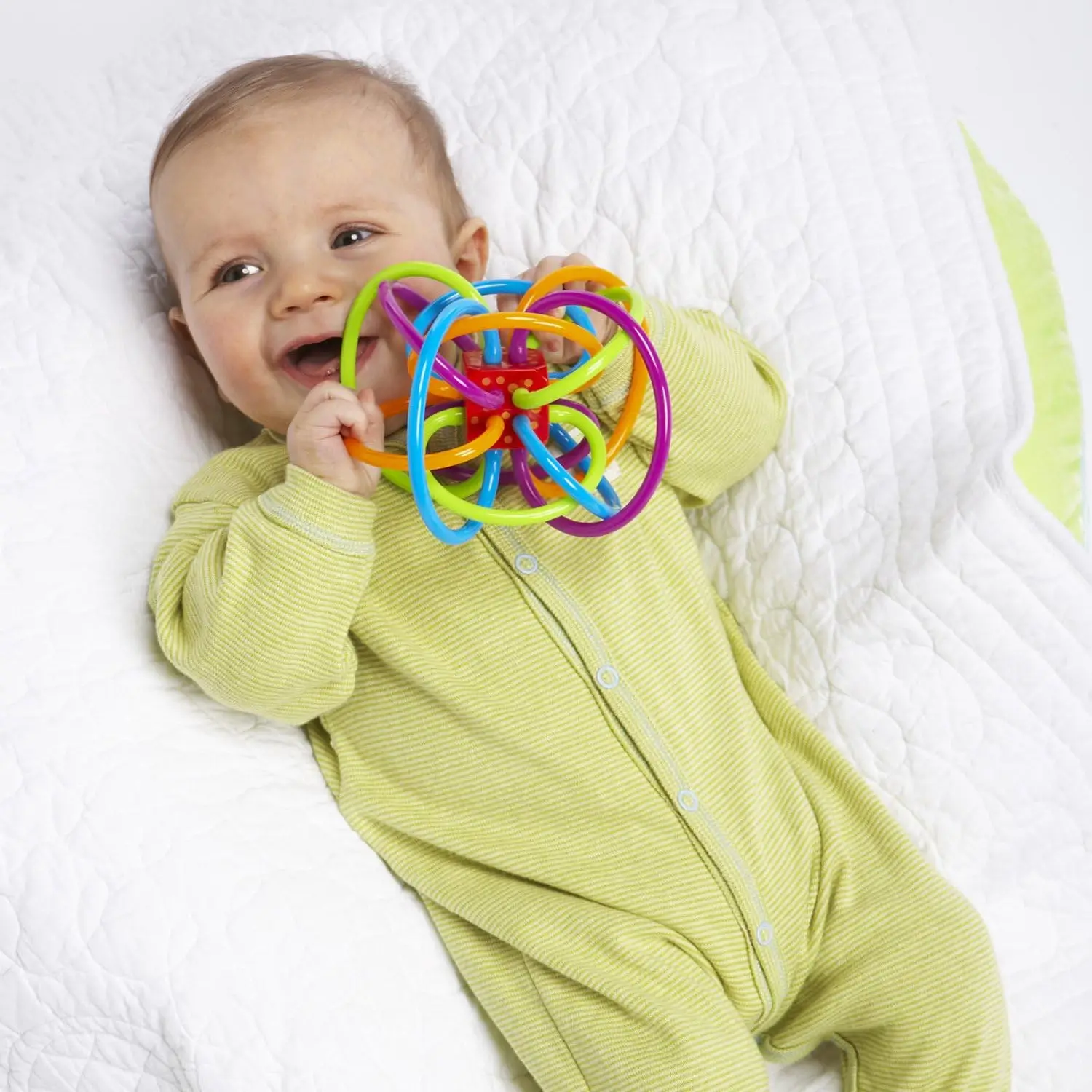
2. Manhattan Toy Winkel Rattle & Teether (0–6 Months)
Lightweight BPA-free teething tubes easy for tiny hands to grasp.
Learning benefits: Sensory awareness, fine-motor coordination.
Perfect for: 0–6 months
🔗 Buy on Amazon ➜
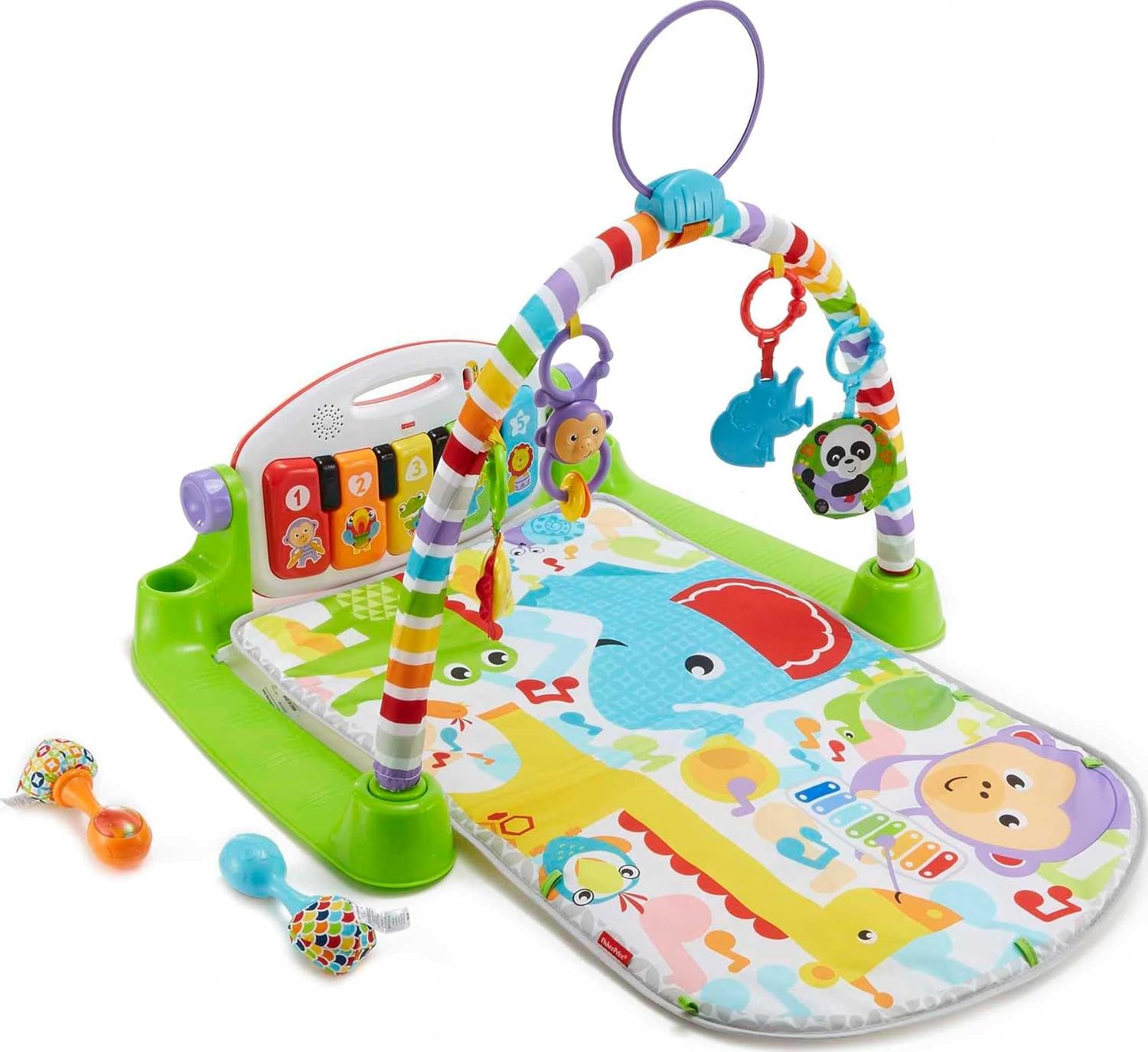
3. Fisher-Price Deluxe Kick & Play Piano Gym (0–9 Months)
Music, lights, and motion in one engaging gym. Baby’s kicks play tunes!
Learning benefits: Cause-and-effect, gross-motor development.
Perfect for: 0–9 months
🔗 View latest deals ➜
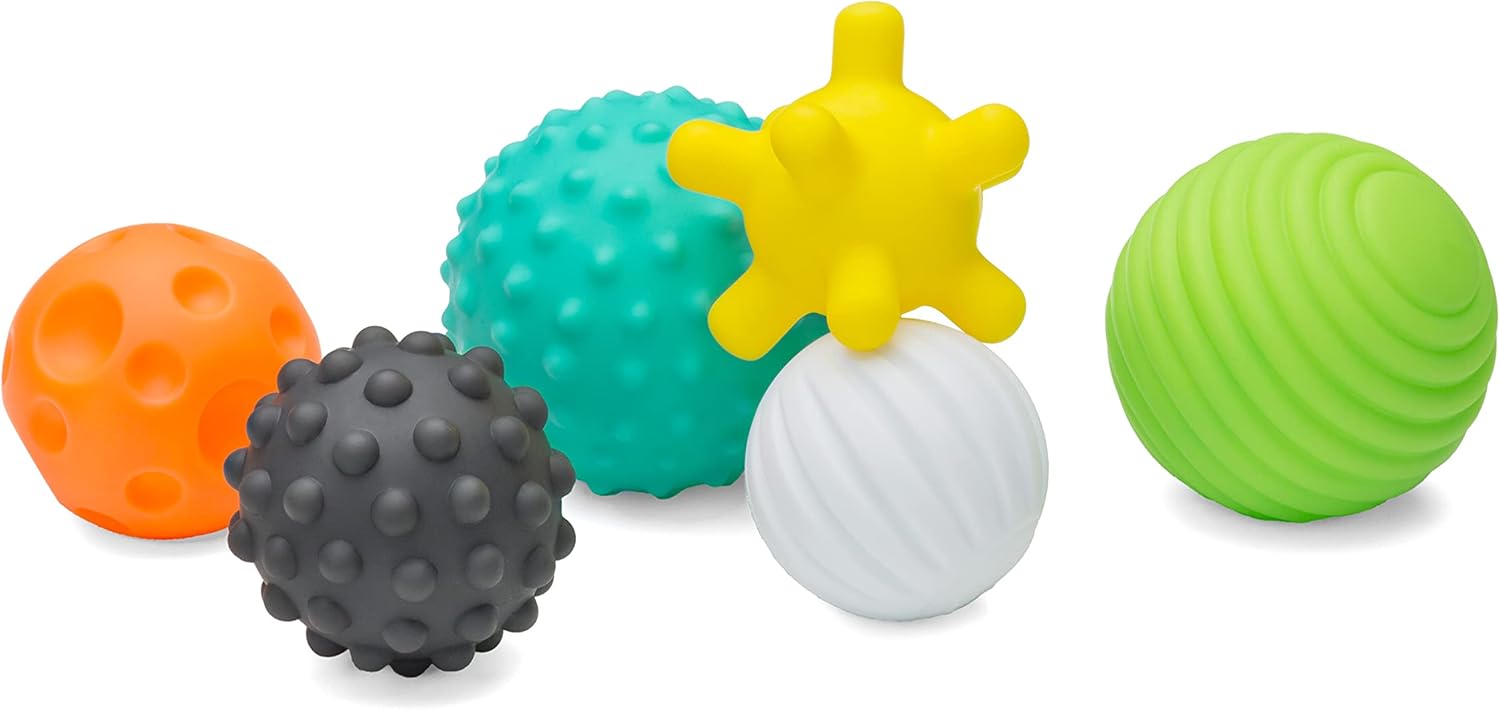
4. Infantino Textured Multi Ball Set (6–12 Months)
Soft, squeezable, multi-textured balls ideal for sensory exploration.
Learning benefits: Texture recognition, grasping skills.
Perfect for: 6–12 months
🔗 Shop now ➜
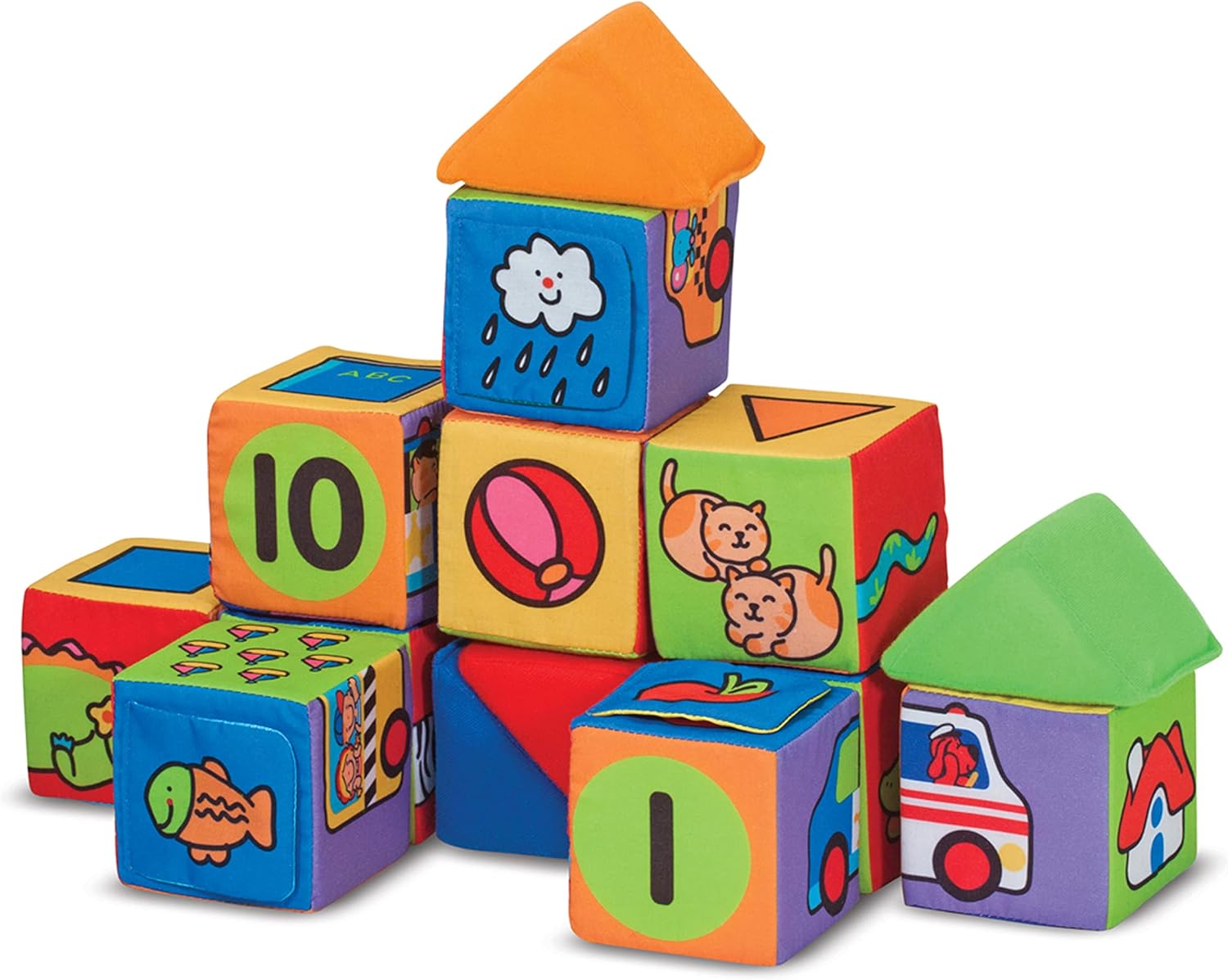
5. Melissa & Doug Soft Building Blocks (6–18 Months)
Colorful fabric blocks with textures and rattles for stacking fun.
Learning benefits: Motor skills, spatial awareness, color learning.
Perfect for: 6–18 months
🔗 Check availability ➜
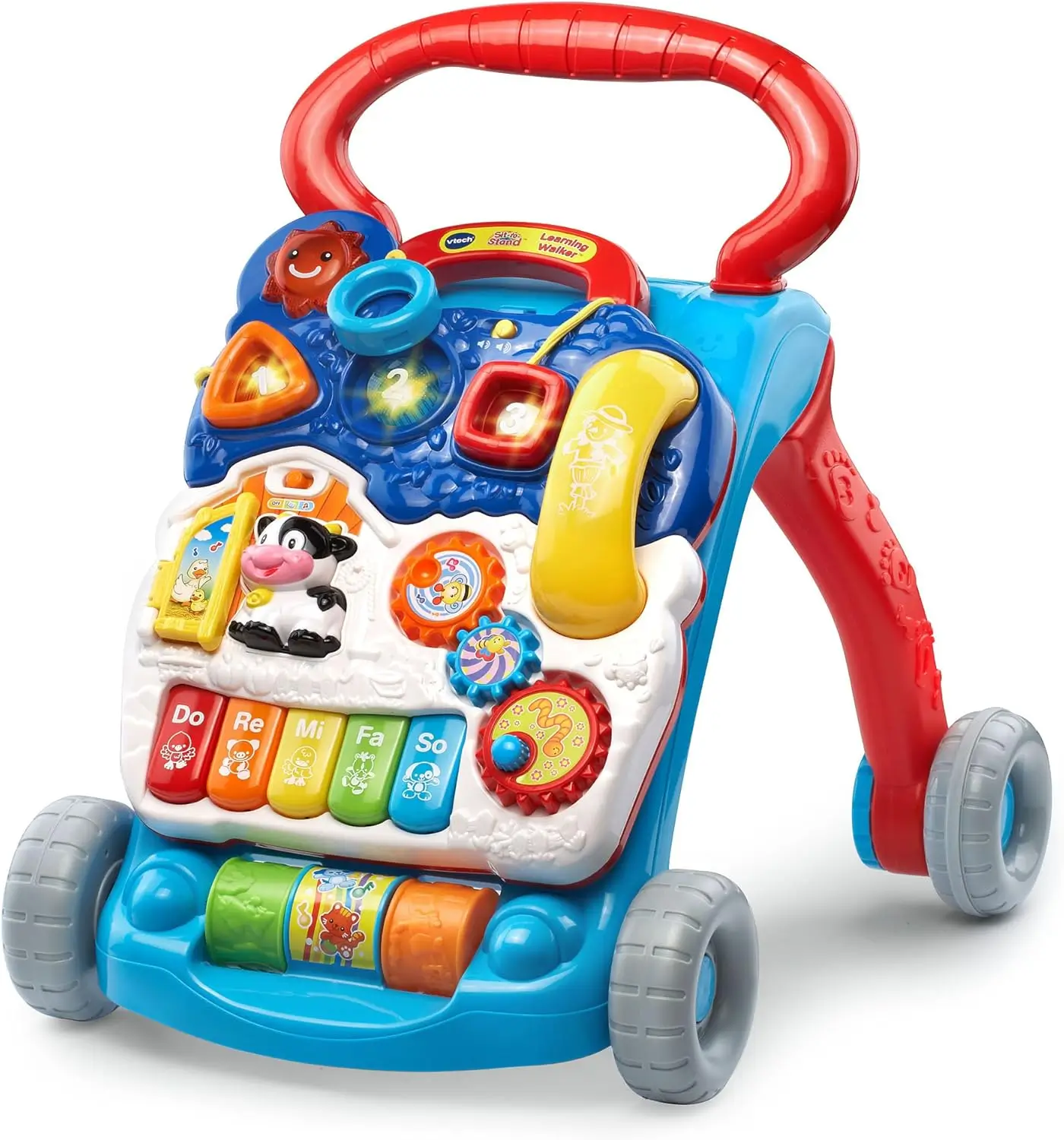
6. VTech Sit-to-Stand Learning Walker (9–24 Months)
A classic walker with lights, sounds, and detachable activity panel.
Learning benefits: Walking support, cause-and-effect play.
Perfect for: 9–24 months
🔗 See details ➜
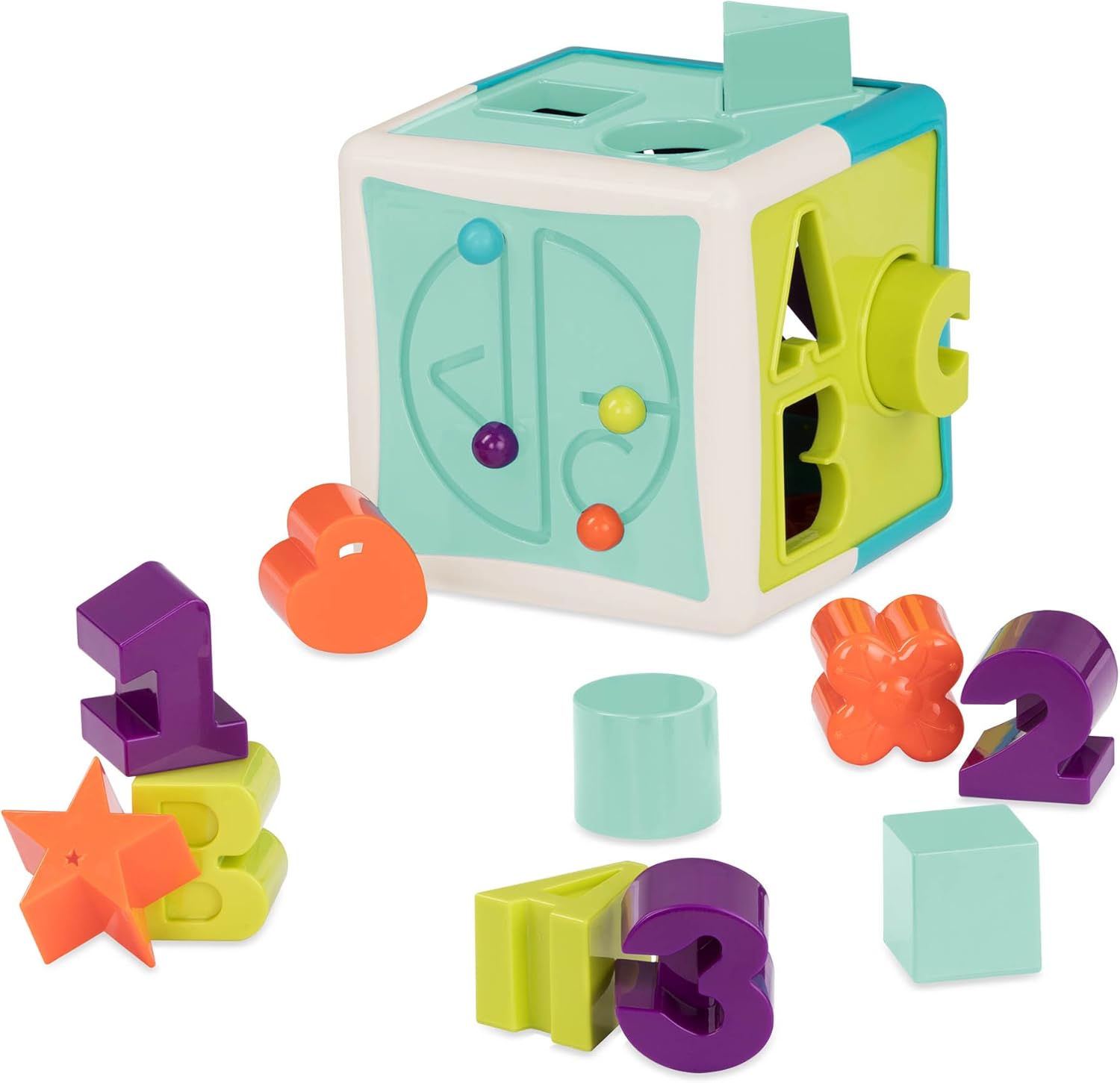
7. Battat Shape Sorter Cube (12–24 Months)
Bright, chunky shapes build spatial reasoning and patience.
Learning benefits: Shape recognition, problem-solving.
Perfect for: 12–24 months
🔗 Find on Amazon ➜
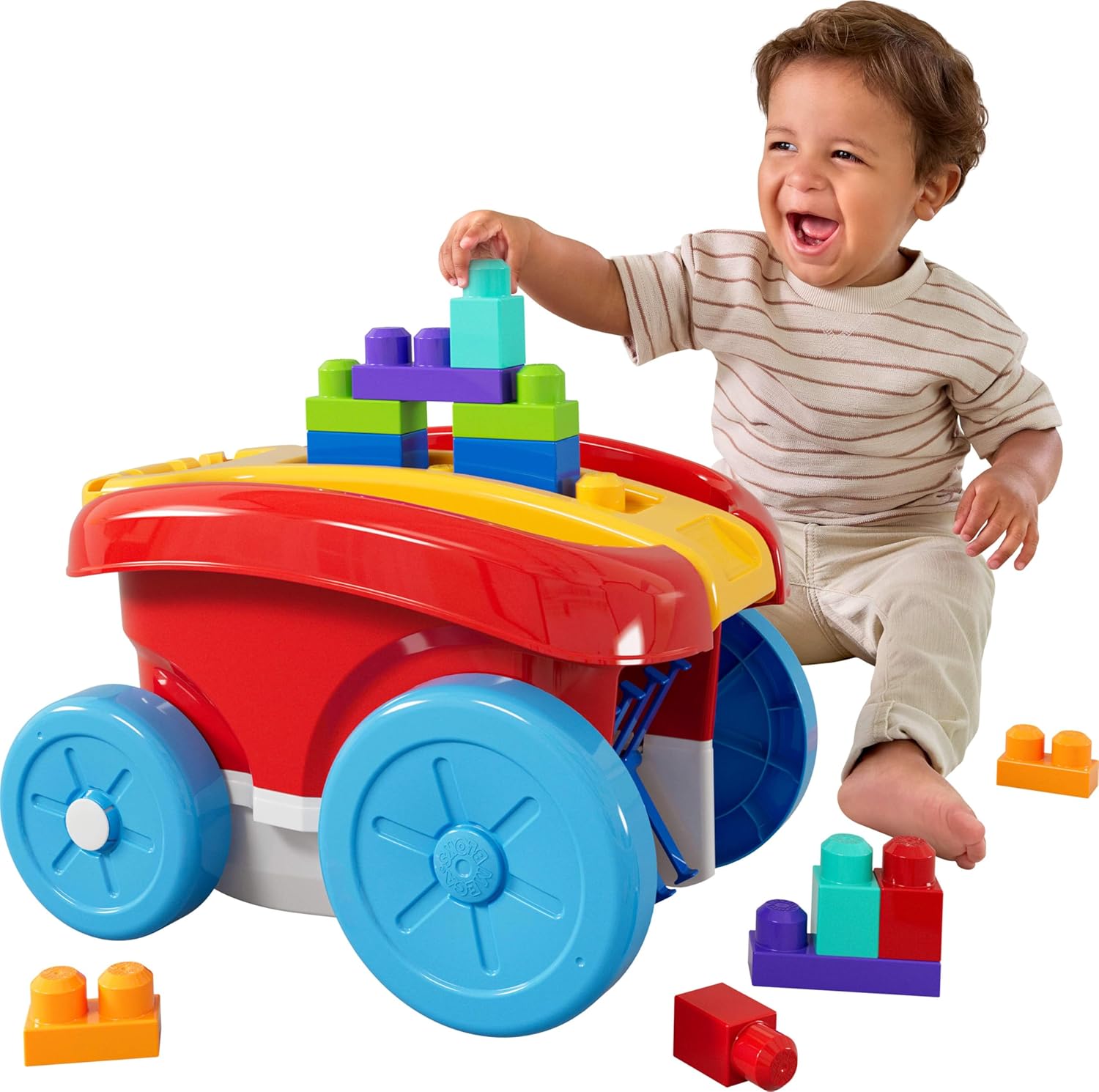
8. Mega Bloks First Builders Set (12–36 Months)
Large colorful blocks for open-ended building fun.
Learning benefits: Creativity, logic, hand-eye coordination.
Perfect for: 12–36 months
🔗 Buy now ➜
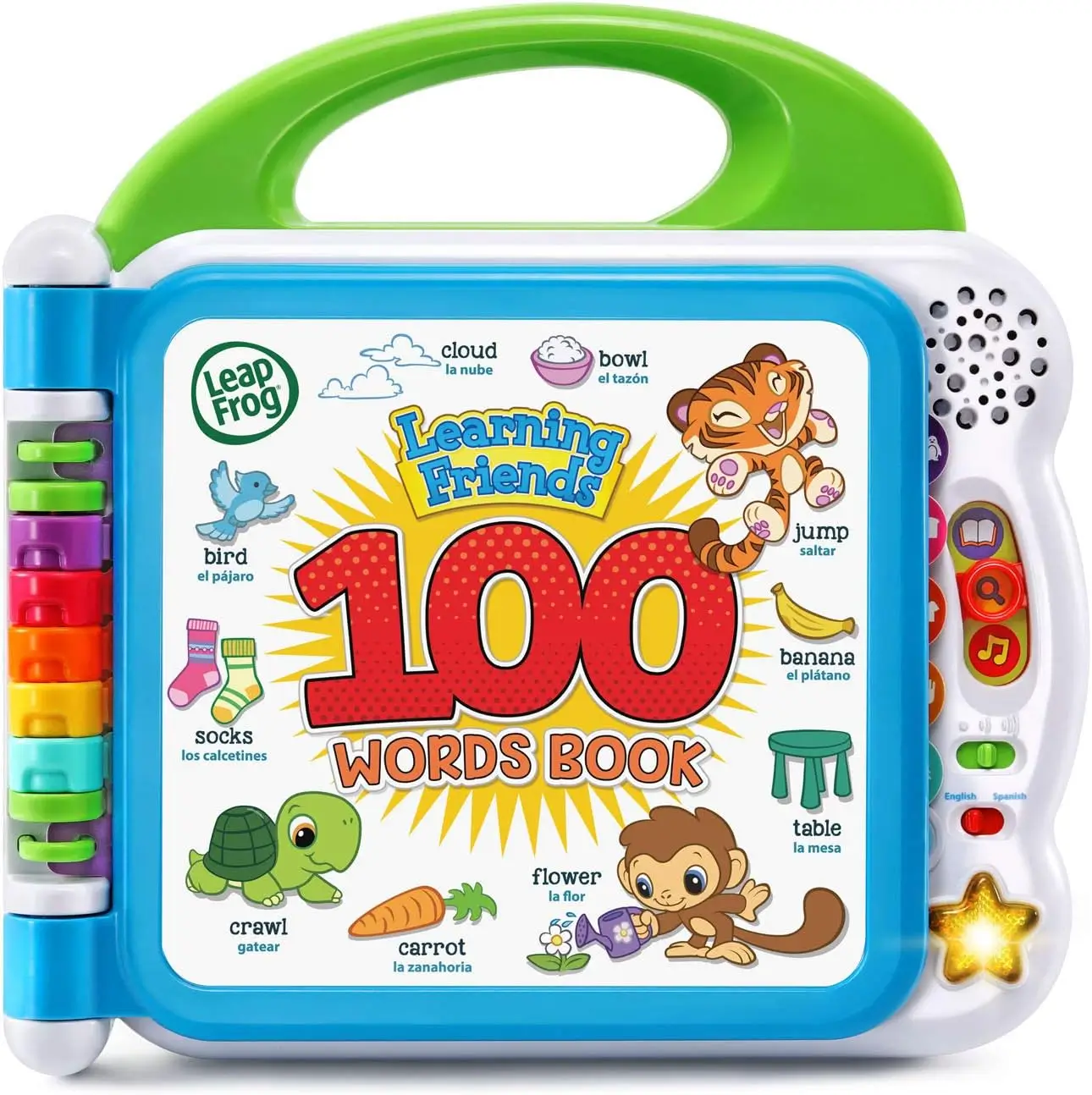
9. LeapFrog Learning Friends 100 Words Book (18–36 Months)
Interactive bilingual audio book teaches vocabulary through play.
Learning benefits: Language, sound recognition, early reading.
Perfect for: 18–36 months
🔗 See current price ➜
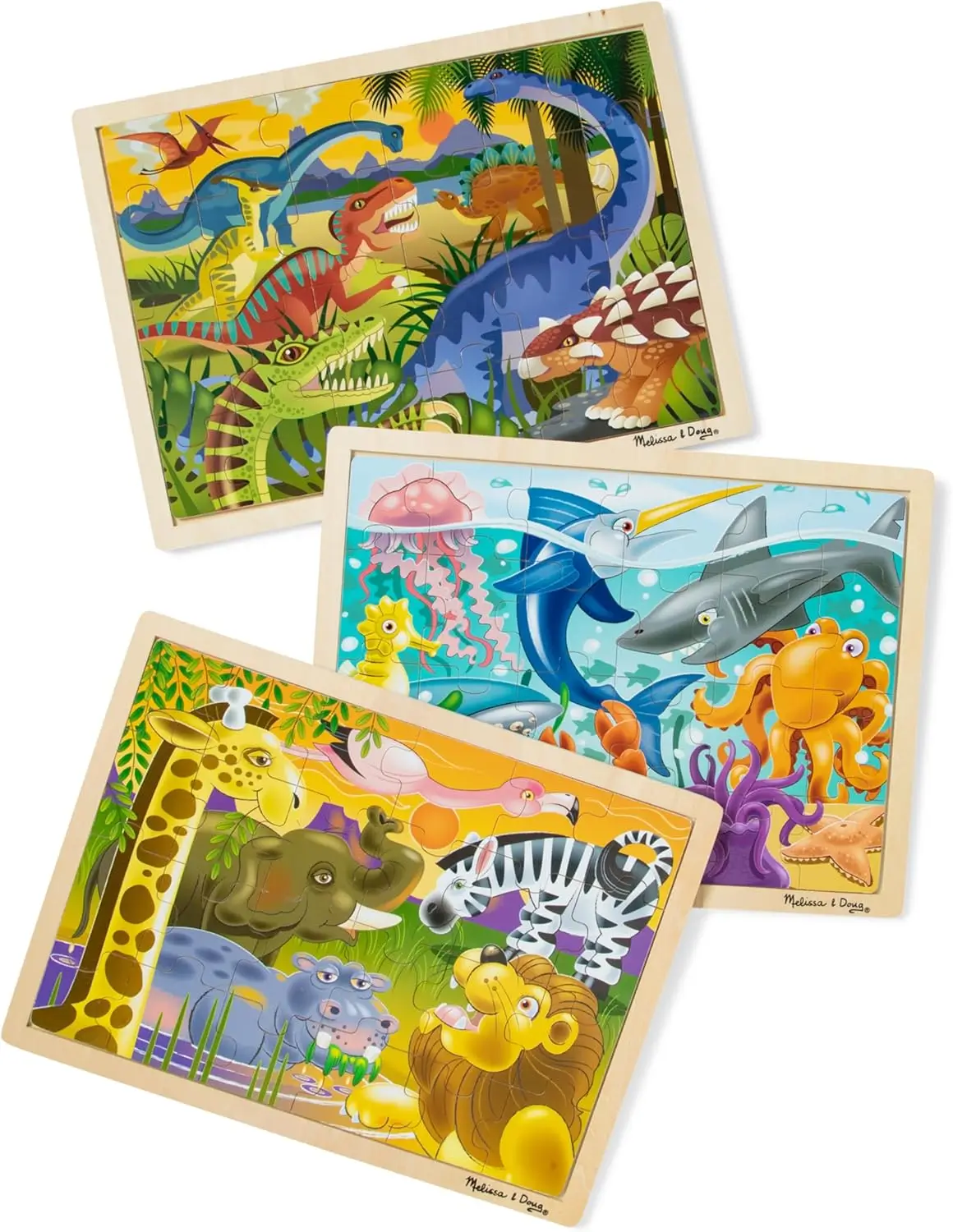
10. Melissa & Doug Wooden Puzzles Bundle (24–36 Months)
Durable wooden peg puzzles featuring shapes, numbers, and animals.
Learning benefits: Memory, reasoning, fine-motor practice.
Perfect for: 24–36 months
🔗 Shop puzzles ➜
🎯 How to Choose the Right Learning Toy
- Match toy with milestone, not just age label.
- Pick toys that adapt as your baby grows.
- Focus on quality, safety, and play value.
- Less screen time, more hands-on discovery.
🧩 Frequently Asked Questions (FAQs): Best Baby Learning Toys
Q: When should I introduce learning toys?
From birth. Start with soft rattles, black-and-white cards, and activity gyms to encourage sensory development.
Q: Which toys build motor skills?
Push toys, stacking cups, soft blocks, and musical toys enhance both fine and gross-motor coordination.
Q: Are electronic toys good for learning?
Interactive toys that involve caregivers are great. Avoid passive, screen-only play for babies under 18 months.
Q: How often should I rotate toys?
Every 2–3 weeks. It keeps curiosity alive and supports skill mastery.
🧸 Final Thoughts — Growing Through Play
From your baby’s very first grasp to their first imaginative story, every toy you choose shapes their world of discovery. The best baby learning toys aren’t about screens, flashy lights, or overstimulation — they’re about hands-on experiences that nurture curiosity, confidence, and connection.
Whether it’s a simple rattle that teaches cause and effect or a shape sorter that sparks problem-solving, remember: you are your baby’s favorite toy. The laughter, eye contact, and language you share during play build stronger learning foundations than any gadget can.
So, take a few minutes each day to play, explore, and learn together. It’s in those small, joyful moments that your baby’s biggest milestones begin.
Read More:
- Best Educational Toys for BabiesDiscover the best educational toys for babies that boost learning, creativity, and development through fun, sensory-rich, and age-appropriate play experiences.
- Best Bath Toys for ToddlersDiscover the best bath toys for toddlers that make bath time fun, safe, and educational while encouraging creativity, motor skills, and sensory learning.
- How to Choose the Best Baby Rattles for Your BabyDiscover how to choose the best baby rattles that are safe, engaging, and perfect for your baby’s developmental milestones.
- Best Pop Up Toys for Babies: A Fun Way to Boost Early LearningExplore the best pop up toys for babies that make learning fun while boosting motor skills and curiosity.
- Stacking and Sorting Toys for Kids with AutismExplore the best sorting toys for kids with autism that make learning fun, sensory-friendly, and skill-building through joyful play.