Quick answer is Yes, some rattle toys are safe for newborns — when they’re age-appropriate, non-toxic, and used under supervision. Always check for safety certifications, make sure there are no small parts, and inspect toys regularly. This guide explains everything you need to know about choosing and using baby rattles safely.
Table of Contents
Why Rattle Toys Are Important for Newborn Development
Rattle toys have been loved for generations — and not just because they’re adorable. For newborns, a simple rattle offers early sensory stimulation and helps them begin exploring sound and touch.
Here’s why they’re great for early development:
- Encourages sensory awareness: The sound and color of a rattle help your baby recognize and respond to sensory cues.
- Supports motor development: Grasping and shaking a rattle strengthens tiny hand and arm muscles.
- Teaches cause and effect: Shaking the rattle makes noise, helping your baby understand how actions create reactions.
- Provides comfort: Gentle rattling sounds can soothe and calm some infants.
But before you hand your baby their first rattle, let’s talk safety — because not all rattles are created equal.
Are Rattle Toys Safe for Newborns?
The short answer: Yes — when chosen carefully. Rattle toys designed specifically for newborns (labeled “0+ months”) are generally safe when made from non-toxic, durable materials and used under adult supervision. The key is knowing what to look for — and what to avoid.
Safety Checklist for Choosing Newborn Rattles
Before buying or gifting a rattle, use this checklist to make sure it’s newborn-safe:
- ✔ Age-appropriate: Look for rattles labeled “0+ months” or “for newborns.”
- ✔ Sealed and solid design: Avoid rattles that can be opened or have detachable parts.
- ✔ Non-toxic materials: Choose BPA-free, phthalate-free, food-grade silicone, or untreated wood.
- ✔ No small parts: Test by ensuring nothing fits through a standard choke tube (1.25 inches).
- ✔ Lightweight and easy to grip: Newborns need very light toys to avoid strain.
- ✔ Smooth edges: No rough seams, cracks, or sharp corners.
- ✔ Easy to clean: Babies explore with their mouths — so choose washable or wipeable toys.
Pro Tip: Avoid rattles with liquid inside. If they crack, bacteria can grow or leaks can happen — not safe for newborns.
Best Types of Rattles for Newborns
There are many types of rattles on the market, but only a few are truly ideal for the newborn stage. Here are the safest and most practical options:
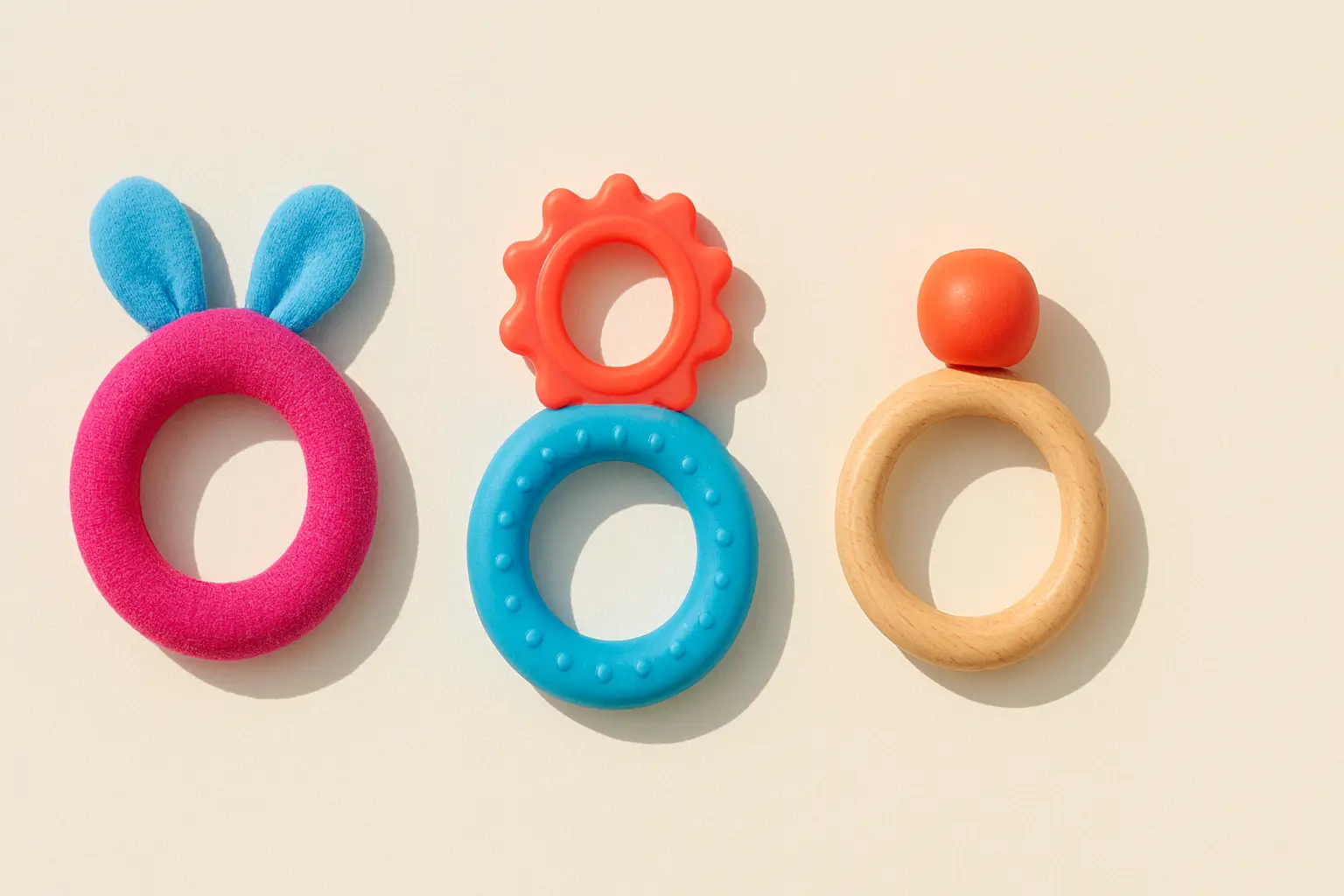
1. Soft Fabric Rattles
Made from cotton or plush materials, these are gentle on delicate skin and easy to grasp. They’re also machine washable, making them a favorite among parents.
2. Silicone Teether Rattles
These combine the soothing benefits of a teether with the fun of a rattle. Look for food-grade silicone labeled “BPA-free.”
3. Wooden Rattles
Eco-friendly and sturdy, wooden rattles are beautiful and long-lasting. Make sure the surface is smooth and finished with baby-safe natural oils or non-toxic paint.
4. Lightweight Plastic Rattles
Classic plastic rattles are fine if they meet modern safety standards. Check for ASTM F963 or CPSC certifications on the packaging.
When Can Newborns Start Using Rattles?
Babies develop fast, and their ability to play changes every few weeks. Here’s a simple timeline to follow:
- 0–2 months: Your baby won’t be able to hold a rattle yet, but you can gently shake one to stimulate their hearing and visual tracking.
- 2–4 months: Grasping skills begin to develop. Offer a lightweight rattle for short, supervised play sessions.
- 4+ months: Your baby can hold and shake rattles independently. This is a great stage for exploring textures, shapes, and sounds.
Every baby develops differently — always follow your baby’s cues and comfort level.
How to Clean and Maintain Baby Rattles
Cleanliness is a crucial part of toy safety, especially for newborns who explore with their mouths. Follow these tips:
- Read the label: Follow the manufacturer’s cleaning instructions.
- For plastic rattles: Wipe with warm, soapy water or place on the top rack of your dishwasher if allowed.
- For fabric rattles: Machine wash on gentle cycle and air dry completely.
- For wooden rattles: Wipe with a damp cloth and mild soap. Never soak in water — it can damage the wood.
- Regular inspection: Check for cracks, leaks, or discoloration. Replace at the first sign of wear.
Supervised Play: The Golden Rule
No matter how safe a rattle looks, supervision is non-negotiable. Newborns lack full control of their movements, so always keep an eye on them while they play. Avoid leaving any toy — even soft rattles — in the crib during naps or sleep.
Play tip: During tummy time, hold a rattle near your baby’s face to encourage head movement and strengthen neck muscles.
Common Rattle Safety Risks to Avoid
Unfortunately, not all baby rattles meet the necessary safety standards. Avoid the following red flags:
- Small detachable parts (bells, beads, decorations)
- Liquid-filled rattles (risk of leakage)
- Excessively loud or sharp sounds
- Rough edges or poor construction
- Paint that chips or peels easily
If you notice any of these, replace the toy immediately. Safety always comes before sentiment.
Safety Standards and Certifications to Look For
When buying rattles in the U.S. or online, look for the following certifications and safety marks:
- ASTM F963: U.S. toy safety standard for physical and chemical testing.
- CPSC Certified: Complies with U.S. Consumer Product Safety Commission standards.
- BPA-free / Phthalate-free: Indicates safe, non-toxic materials.
- EN71 (Europe): European toy safety certification.
Brands that display these labels are generally trustworthy for newborn toy safety.
Recognizing Unsafe or Damaged Rattles
Even a good-quality rattle can become unsafe over time. Replace it if you notice:
- Cracks, chips, or broken pieces
- Stickiness or residue that doesn’t clean off
- Exposed screws or gaps
- Unusual noise changes (indicates loose internal parts)
- Discoloration or mold inside sealed rattles
Accessibility and Special Considerations
If your baby was born prematurely or has any medical condition, talk to your pediatrician before introducing toys. Some babies might be more sensitive to sound, texture, or weight.
For allergy-sensitive babies, stick to untreated wooden rattles or 100% cotton fabric rattles to minimize risk.
FAQs: Are Rattle Toys Safe for Newborns?
Are rattles safe for newborns?
Yes. Choose rattles made from non-toxic materials, labeled for “0+ months,” and always supervise your baby during play.
What age can a baby hold a rattle?
Most babies start grasping rattles between 2 and 3 months old, but this varies depending on development.
Can rattles be a choking hazard?
They can be — if they have detachable parts or poor construction. Always test the toy’s durability before use.
How do I clean a baby rattle?
Wipe with warm, soapy water or machine wash if fabric. Always air dry completely before giving it back to your baby.
Quick Takeaway Checklist
- ✔ Choose age-appropriate rattles (0+ months)
- ✔ Avoid small parts or detachable pieces
- ✔ Pick non-toxic, BPA-free materials
- ✔ Clean regularly and inspect for wear
- ✔ Always supervise playtime
Conclusion: Safe, Fun, and Developmental
Rattles are among the best early sensory toys for babies — simple, fun, and educational. When you choose a newborn-safe rattle made from non-toxic, well-built materials, you’re giving your baby a tool for learning and exploration.
Remember: safety first, supervision always, and regular cleaning to keep playtime healthy and happy. With the right rattle, every shake becomes a step in your baby’s journey of discovery.
Read More:
- Best Educational Toys for BabiesDiscover the best educational toys for babies that boost learning, creativity, and development through fun, sensory-rich, and age-appropriate play experiences.
- Best Bath Toys for ToddlersDiscover the best bath toys for toddlers that make bath time fun, safe, and educational while encouraging creativity, motor skills, and sensory learning.
- How to Choose the Best Baby Rattles for Your BabyDiscover how to choose the best baby rattles that are safe, engaging, and perfect for your baby’s developmental milestones.
- Best Pop Up Toys for Babies: A Fun Way to Boost Early LearningExplore the best pop up toys for babies that make learning fun while boosting motor skills and curiosity.
- Stacking and Sorting Toys for Kids with AutismExplore the best sorting toys for kids with autism that make learning fun, sensory-friendly, and skill-building through joyful play.