Shopping for toys should be one of the most joyful parts of parenting—but it can also be one of the most confusing. Walk into any store (or scroll through Amazon), and you’ll face hundreds of options claiming to boost your child’s development.
But here’s the catch: many parents fall into toy-buying traps that lead to wasted money, clutter, or worse—missed learning opportunities. Toys are not just entertainment; they’re tools that help shape your child’s brain, behavior, and curiosity.
Let’s dive deep into the most common parenting mistakes to avoid when buying toys and how to make thoughtful, practical choices that truly benefit your child.
Table of Contents
How Toys Shape a Child’s Growth
Toys are much more than colorful distractions—they’re the foundation of early learning. Through play, children practice communication, problem-solving, creativity, and empathy.
For instance:
- Building blocks improve motor skills and spatial reasoning.
- Pretend play sets boost imagination and emotional understanding.
- Puzzles develop patience and problem-solving abilities.
When you see toys as learning tools instead of just playthings, you’ll start making smarter buying decisions.
Parenting Mistakes to Avoid When Buying Toys
Mistake #1 – Buying Too Many Toys
Ever noticed how your child loses interest in a toy after a day or two? That’s toy overload. Having too many options can make kids overstimulated and bored at the same time.
Why Fewer Toys Are Better
Children with fewer toys tend to play longer, deeper, and more creatively. A limited selection forces them to explore and invent new ways to use the same toy.
Practical Tip: Use the Toy Rotation System
- Pick 10–12 toys to keep out at a time.
- Store the rest in labeled bins or boxes.
- Every 2–3 weeks, swap them out.
This keeps playtime fresh and exciting—without spending extra money.
Mistake #2 – Choosing Toys by Trend, Not Purpose
Social media and ads often push parents toward trendy toys, but trends don’t always align with learning. A flashy robot may entertain for a few minutes but teach very little.
Practical Tip: Apply the “Developmental Value Test”
Before buying, ask yourself:
- Does this toy encourage creativity or problem-solving?
- Can my child use it in multiple ways?
- Will it still engage them a few months from now?
If you answer “no” to two or more, it’s probably a pass.
Mistake #3 – Ignoring Age Recommendations
Each toy is designed with specific age-based developmental goals. A toy meant for a 5-year-old may frustrate a toddler—or even pose choking risks.
Practical Tip: Read Labels Carefully
Look for these cues on packaging:
- “Age 0–12 months” = Sensory toys
- “Age 1–3 years” = Fine motor and stacking toys
- “Age 3–5 years” = Pretend play, puzzles
- “Age 5+” = STEM kits, construction sets
Always err on the side of safety over advancement.
Mistake #4 – Overlooking Toy Safety Standards
Safety is non-negotiable. Unfortunately, not all toys meet safety standards, especially low-cost imports or knock-offs.
Practical Tip: Quick Toy Safety Checklist
✅ Check for ASTM, CPSC, or EN71 certification.
✅ Avoid toys with detachable small parts for under 3 years.
✅ Skip toys with cords longer than 12 inches.
✅ Prefer BPA-free, lead-free, and non-toxic materials.
If it smells chemical or feels flimsy—put it back on the shelf.
Mistake #5 – Prioritizing Electronics Over Creativity
Beeping, flashing, and singing toys might grab attention, but they often do the thinking for your child. When a toy entertains passively, it limits imagination and active learning.
Practical Tip: Balance Digital and Physical Play
Try a 2:1 ratio — for every electronic toy, have two creative or physical ones (blocks, musical instruments, art kits).
Encourage screen-free play for at least two hours daily to nurture creativity and focus.
Mistake #6 – Gender Stereotyping in Toy Buying
Still associating dolls with girls and trucks with boys? That’s an outdated mindset that limits learning potential.
Practical Tip: Build a Gender-Neutral Toy Collection
Include:
- Building sets and puzzles for both genders
- Pretend kitchen sets, dolls, or doctor kits for all kids
- Art and STEM kits that focus on skills, not color schemes
Encouraging diverse play builds empathy, confidence, and curiosity.
Mistake #7 – Ignoring Your Child’s Interests
You might love wooden blocks, but your child might be into cars or pretend cooking. Ignoring their interests can make playtime a chore.
Practical Tip: The “Watch, Wait, and Wonder” Method
- Watch how your child interacts with current toys.
- Wait to see what holds their attention longest.
- Wonder why—then choose future toys that build on that curiosity.
Your child’s passion is the best buying guide.
Mistake #8 – Focusing on Quantity, Not Quality
Cheap plastic toys might seem like a bargain, but they break easily and rarely hold attention.
Practical Tip: Invest in “Grow-with-Me” Toys
Look for toys that evolve with your child’s age:
- Stacking cups → early counting
- Wooden blocks → advanced building
- Art kits → creativity and focus
It’s better to buy 5 high-quality toys than 20 cheap ones that clutter your home.
Mistake #9 – Forgetting the Educational Value
Educational toys make learning effortless through fun. Many parents assume these are dull, but today’s market is full of exciting, skill-building options.
Practical Tip: Top Educational Toys by Age
- 0–12 months: Sensory rattles, activity mats
- 1–3 years: Stacking toys, shape sorters
- 3–5 years: Pretend play, beginner puzzles
- 5–8 years: LEGO, STEM kits, board games
- 8+ years: Robotics, coding sets, art projects
Always look for toys that combine fun + function.
Mistake #10 – Not Considering Space and Storage
Even great toys can create chaos if you don’t plan space. A cluttered environment can actually reduce playtime focus.
Practical Tip: Organize Smartly
- Use clear bins with picture labels.
- Create a toy rotation shelf—only a few toys at a time.
- Involve your child in tidying up—it teaches responsibility.
Mistake #11 – Neglecting Interaction and Supervision
Buying the perfect toy isn’t enough—you’re part of the play experience!
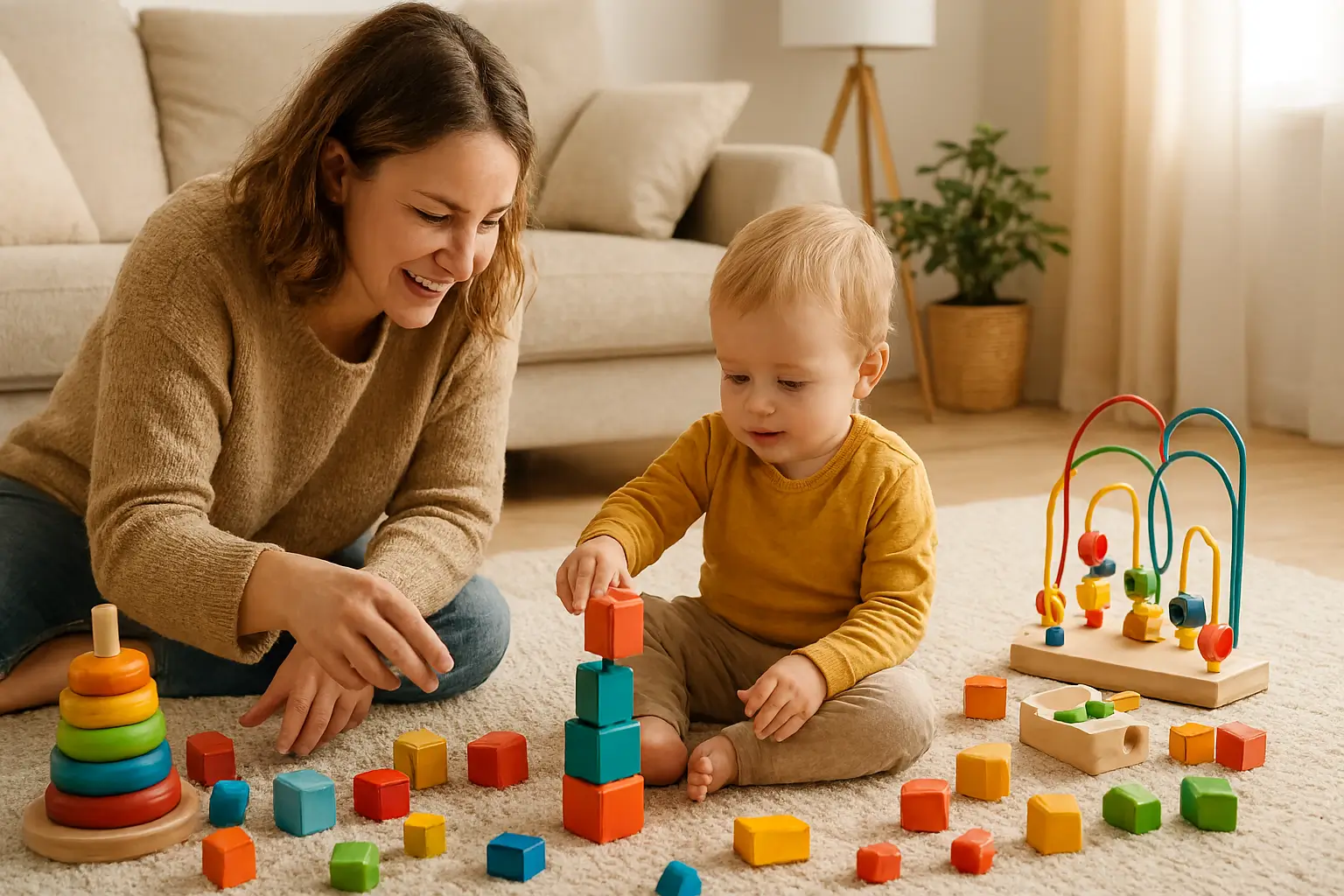
Practical Tip: Practice “Guided Play”
Join your child during play sessions. Ask open-ended questions like:
- “What are you building?”
- “How can we make this taller?”
- “What happens if we mix these colors?”
You’ll not only bond but also boost their confidence and curiosity.
Smart Toy Buying Checklist
Before purchasing, run through this quick list:
✅ Is it age-appropriate?
✅ Is it safe and non-toxic?
✅ Does it encourage creativity or learning?
✅ Is it durable and sustainable?
✅ Does it reflect my child’s interests?
✅ Do I have space to store it properly?
If you answer “yes” to most, it’s a winner!
Conclusion
The next time you go toy shopping, remember—you’re not just buying playthings; you’re investing in your child’s development. Avoiding these common mistakes will help you choose toys that spark imagination, build skills, and bring joy without the clutter.
Mindful toy buying isn’t about buying more; it’s about buying smart. When you focus on quality, purpose, and engagement, every playtime becomes a learning adventure.
FAQs: Parenting Mistakes to Avoid When Buying Toys
1. How many toys should a child have at once?
Around 10–15 accessible toys are enough if rotated regularly.
2. What’s the safest material for baby toys?
Choose BPA-free, phthalate-free, lead-free, and preferably wooden or food-grade silicone materials.
3. How can I tell if a toy is educational?
Look for features that build skills—sorting, stacking, problem-solving, counting, or creativity.
4. What’s better: branded or handmade toys?
Both have value. Handmade toys often offer sustainability, while branded toys may come with safety certifications.
5. How often should I replace toys?
Replace toys when they’re broken, unsafe, or developmentally outgrown—not just because they’re old.
Further Reading:
- Best Educational Toys for BabiesDiscover the best educational toys for babies that boost learning, creativity, and development through fun, sensory-rich, and age-appropriate play experiences.
- Best Bath Toys for ToddlersDiscover the best bath toys for toddlers that make bath time fun, safe, and educational while encouraging creativity, motor skills, and sensory learning.
- How to Choose the Best Baby Rattles for Your BabyDiscover how to choose the best baby rattles that are safe, engaging, and perfect for your baby’s developmental milestones.
- Best Pop Up Toys for Babies: A Fun Way to Boost Early LearningExplore the best pop up toys for babies that make learning fun while boosting motor skills and curiosity.
- Stacking and Sorting Toys for Kids with AutismExplore the best sorting toys for kids with autism that make learning fun, sensory-friendly, and skill-building through joyful play.