🧠 Best Sensory Toys for Autism
Parenting a child with autism is a journey filled with discovery, love, and learning. Sensory toys are one of the most powerful tools that help children with autism manage emotions, build focus, and enjoy playtime safely.
In this guide, we’ll explore the best sensory toys for autism, their benefits, safety considerations, and expert-approved buying tips — so you can confidently choose what fits your child’s needs.
Table of Contents
🌈 What Are Sensory Toys and Why Are They Important for Autism?
Sensory toys are designed to stimulate the senses — touch, sight, sound, movement, and proprioception (body awareness).
Children with autism often experience sensory processing differences, which can make them either seek certain sensations (like spinning or squeezing) or avoid others (like loud sounds or rough textures).
Sensory toys help by:
- Providing safe sensory input that supports self-regulation
- Encouraging calmness and focus
- Building fine and gross motor skills
- Supporting occupational therapy goals
- Helping communication and social play
🧩 Fact: Studies show that structured sensory play helps improve attention, coordination, and emotional regulation in autistic children.
🔍 How to Choose the Right Sensory Toy for Your Child
Every autistic child is unique — what soothes one may overstimulate another. Here’s how to choose wisely:
1. Identify Sensory Needs
Observe your child’s reactions.
- Tactile seekers: love touching and exploring textures.
- Proprioceptive seekers: enjoy pushing, squeezing, or lifting.
- Vestibular seekers: crave movement, spinning, or jumping.
- Sensory avoiders: prefer soft, predictable, low-stim environments.
💡 Tip: Consult a pediatric occupational therapist (OT) for a personalized sensory profile.
2. Prioritize Safety
- Avoid small parts (choking hazard).
- Choose BPA-free, phthalate-free, non-toxic toys.
- Supervise play with water beads or gel toys, which can be dangerous if ingested.
- Follow age and weight guidelines for weighted products.
3. Focus on Durability and Cleanability
Toys will be used repeatedly, often vigorously. Choose washable and sturdy options.
4. Align with Age and Development
Pick toys that match your child’s motor and cognitive abilities rather than chronological age.
🧸 Top Categories of Sensory Toys for Autism
Below are expert-recommended sensory toy categories, their benefits, and real examples to guide your purchase.
🖐️ 1. Tactile & Textured Toys
Best for: children who seek or avoid touch.
Benefits: build tolerance for different sensations and develop fine-motor coordination.
Examples:
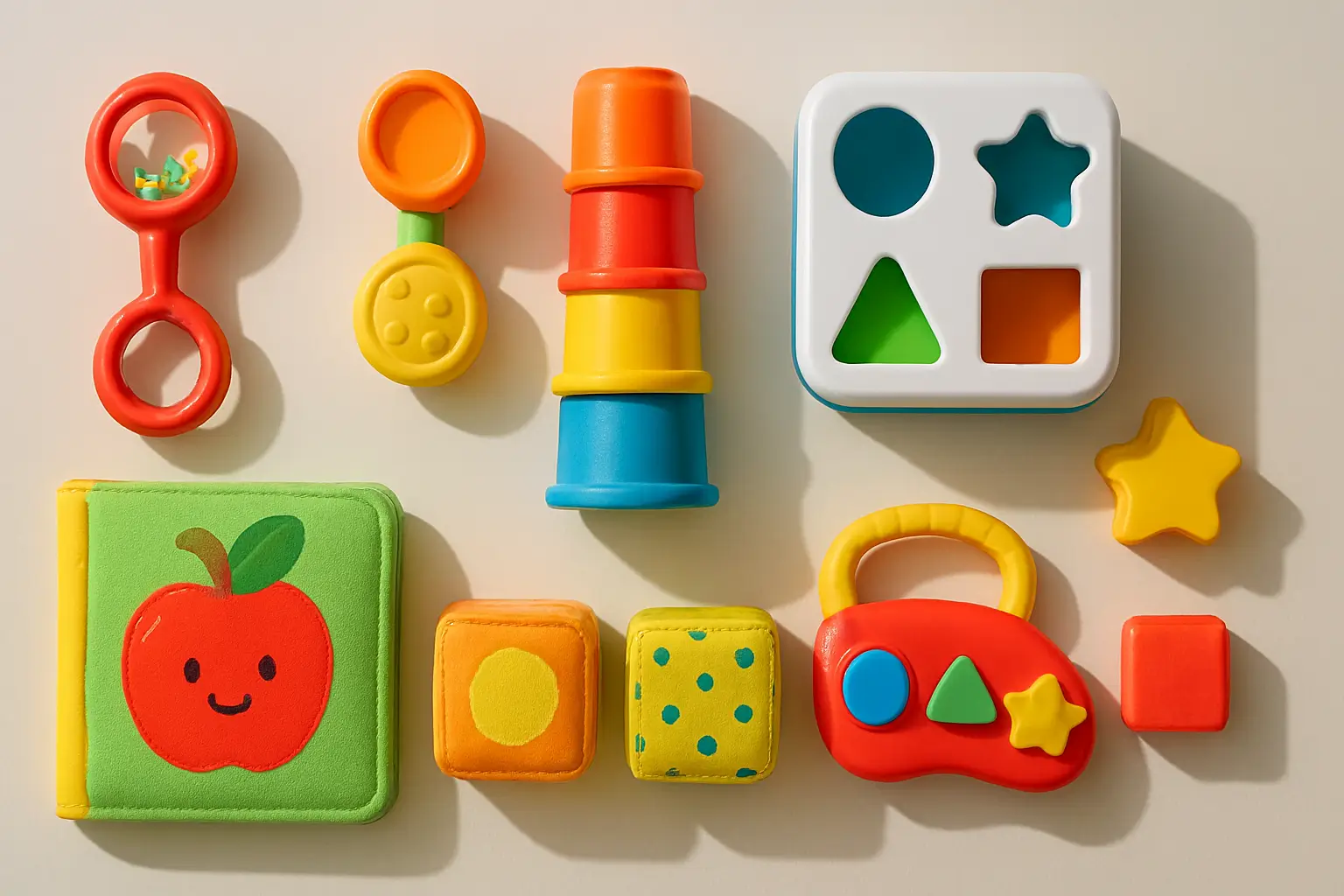
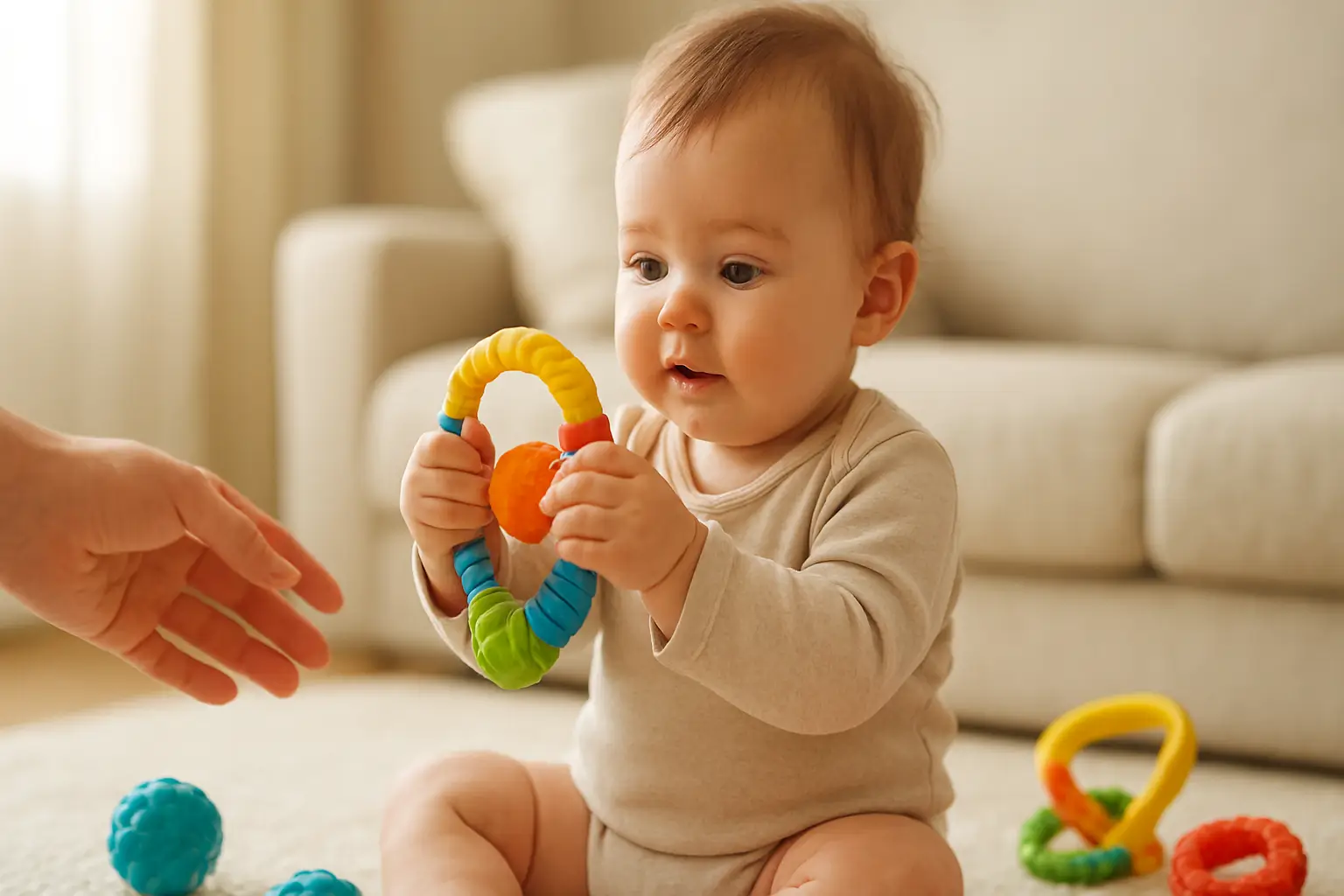
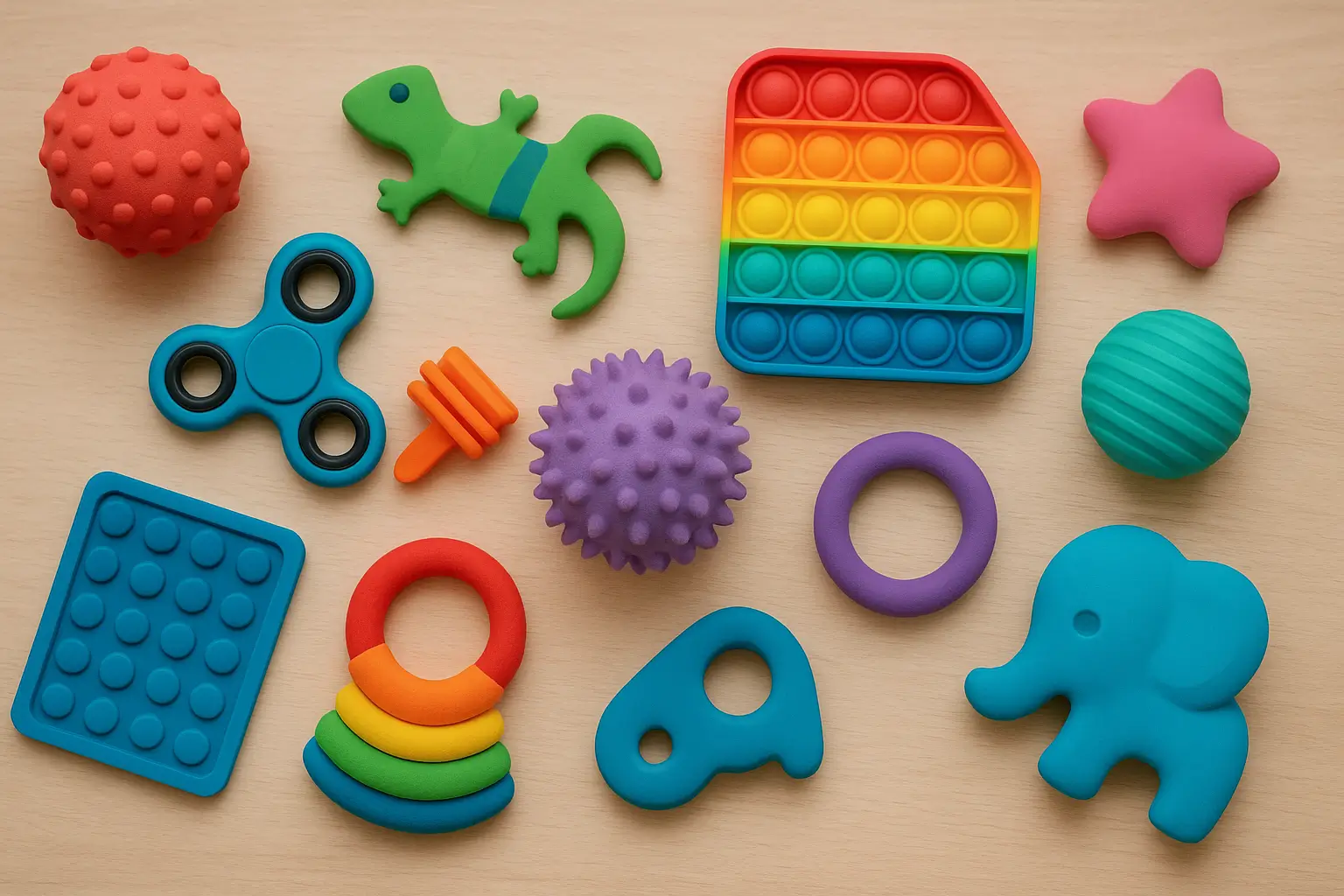
- Textured sensory balls
- Tactile puzzles and textured tiles
- Sensory bins (with safe fillers like rice, foam beads, or sand alternatives)
- Silicone chew necklaces
✋ 2. Fidget & Fine-Motor Toys
Best for: kids who need to keep their hands busy to focus or calm down.
Benefits: reduce anxiety, increase attention span, improve hand strength.
Examples:
- Fidget spinners (child-safe, durable)
- Pop-its & squeeze toys
- Therapy putty or stress balls
- Twist and tangle toys
🧺 3. Weighted & Deep-Pressure Toys
Best for: proprioceptive seekers who find deep pressure calming.
Benefits: improve body awareness, reduce anxiety, promote focus.
Examples:
- Weighted blankets (follow safety ratios)
- Weighted lap pads or vests
- Weighted stuffed animals
⚠️ Safety Note: Use under OT guidance — avoid heavy items on unsupervised toddlers.
🎠 4. Movement & Vestibular Toys
Best for: children who crave movement or need balance training.
Benefits: help regulate energy levels and improve coordination.
Examples:
- Indoor therapy swing or hammock
- Mini trampoline with safety handle
- Balance board or wobble disc
- Rocking horses or sensory seesaws
🦷 5. Oral-Motor Sensory Toys
Best for: children who chew for comfort or sensory input.
Benefits: strengthen oral muscles, support speech therapy goals, reduce unsafe chewing.
Examples:
- Chewable necklaces (food-grade silicone)
- Chew tubes or sensory chew sticks
Safety: Always supervise oral toys and clean daily.
🌟 6. Visual & Auditory Sensory Tools
Best for: children who find lights or sounds calming (or stimulating).
Benefits: create predictable, soothing environments.
Examples:
- Soft light projectors or bubble lamps
- Noise-cancelling headphones
- White noise machines or calming sound boxes
🧰 Expert-Recommended Sensory Tools (OT Picks)
Occupational therapists often use these in sensory integration therapy:
- Therapy putty: strengthens hands and calms anxiety.
- Balance disc: builds core strength and balance.
- Weighted lap pad: helps with focus during reading or homework.
- Sensory brush: provides deep tactile input.
- Compression vest: supports body awareness and calmness.
🛡️ Sensory Toy Safety Checklist
Before purchasing, ask these 6 questions:
✅ Is the toy non-toxic and BPA-free?
✅ Are there small parts that pose a choking hazard?
✅ Has it been recalled or reported unsafe?
✅ Does it match my child’s sensory needs (tactile, proprioceptive, vestibular)?
✅ Can it be cleaned easily?
✅ Is it recommended by OTs or therapists?
Avoid:
- Water beads: major retailers have recalled these after ingestion injuries.
- Microwaveable gel squish toys: risk of burns and leaks.
🪁 How to Create a Calming Sensory Routine at Home
- Schedule short sensory breaks (3–5 minutes) between activities.
- Use visual cues (timers or cue cards).
- Rotate toys weekly to prevent overstimulation.
- Keep a sensory log: note which activities calm or excite your child.
- Set up a sensory corner — a quiet space for relaxation and regulation.
🏠 DIY Sensory Corner Setup
You don’t need a full room — a cozy corner works!
Essentials:
- Bean bag or floor cushions
- Weighted blanket or lap pad
- A few fidgets or chewables
- Soft projector light or bubble lamp
- Noise-cancelling headphones
✨ Pro Tip: Add a small “emotion chart” or visuals to help your child communicate when they need a break.
❌ Products to Avoid (Safety Recap)
| Product Type | Risk | Safer Alternative |
|---|---|---|
| Water beads | Ingestion hazard | Textured foam balls or rice bins |
| Cheap fidget toys | Break apart easily | OT-approved fidgets |
| Microwaveable gel toys | Burn hazard | Silicone stretch toys |
| Non-certified chewables | Toxic materials | FDA-grade silicone chews |
🙋♀️ Frequently Asked Questions
Q1. What are the best sensory toys for toddlers with autism?
Textured balls, chewable necklaces, and activity mats are excellent. Look for durable, soft, and non-toxic materials.
Q2. Are weighted blankets safe for autistic kids?
Yes — when used correctly. Follow OT or doctor advice: blanket weight = 10% of child’s body weight + 1–2 lbs.
Q3. Can sensory toys replace therapy?
No. Sensory toys support therapy, not replace it. Use them alongside occupational or behavioral therapy plans.
Q4. Where can I buy safe sensory toys online?
Shop at certified autism or therapy stores such as National Autism Resources, Fun and Function, or OT-recommended suppliers.
Q5. What if my child doesn’t like a sensory toy?
That’s okay — every child’s sensory profile is different. Try small sessions, rotate options, and observe responses.
🧾 Key Takeaway
The best sensory toys for autism aren’t about trends — they’re about matching the right tool to your child’s sensory needs. Always prioritize safety, consult your OT, and create predictable sensory play routines.
Sensory toys can help autistic children:
✅ Stay calm and focused
✅ Develop coordination and communication
✅ Gain confidence and joy through play
💬 “Every toy tells a story — let yours be one of growth, calm, and connection.”